Temporary tags in Oregon allow drivers to legally operate a vehicle while waiting for permanent license plates. Trip permits are valid for 21 days, while dealer-issued temporary registrations can last up to 90 days, providing legal coverage during the registration process. These temporary authorizations, also referred to as interim registrations or short-term permits, are crucial for vehicle owners completing registration, transferring ownership, or relocating vehicles from out of state. They ensure that drivers remain compliant with Oregon law while avoiding citations or penalties. Each type of temporary tag has specific requirements, issuance procedures, and validity periods that must be observed to maintain lawful operation.
Oregon temporary tags can be issued by dealerships, DMV field offices, or online through DMV2U, offering flexibility for both private buyers and businesses. Trip permits are ideal for limited trips, such as transporting a recently purchased vehicle or moving it between locations, while dealer-issued temporary registrations provide extended coverage while permanent plates are processed. Understanding OR License Plate Requirements is essential, as proper display, accurate documentation, and adherence to expiration dates help drivers avoid fines. These temporary tags bridge the gap between vehicle purchase and full registration, giving drivers legal protection and peace of mind during the transition. Knowing the differences between temporary tag types and their respective requirements ensures compliance, prevents delays, and supports smooth vehicle ownership in Oregon.
What Are Temporary Tags?
Temporary tags, also called temporary license plates, allow vehicles to be driven legally while permanent plates are being processed. They provide short-term authorization for a vehicle, ensuring drivers comply with Oregon’s registration requirements. Temporary tags https://www.oregon.gov/odot/dmv/pages/vehicle/trippermit.aspx serve as interim registration, granting legal permission to operate a car before full registration is complete. They are often used when a vehicle is purchased from a dealership or acquired through a private sale. During this period, drivers carry a temporary registration permit that clearly shows the vehicle is authorized for short-term use.
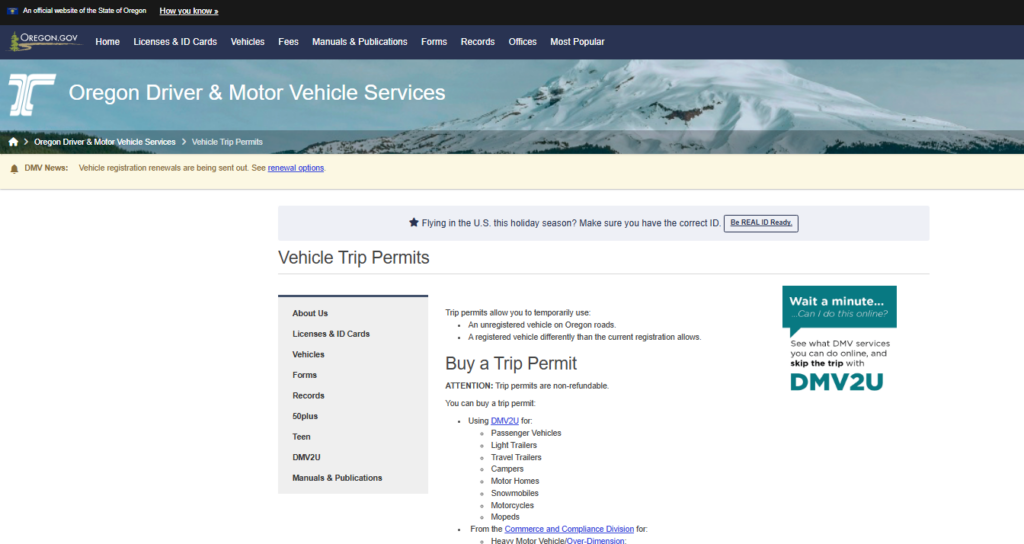
Oregon offers different types of temporary authorizations. Trip permits are a subtype of temporary tags designed for unregistered vehicles, allowing travel for specific purposes such as taking a newly purchased car home or moving it between locations. Trip permits typically last 21 days and require proof of ownership, insurance, and identification. On the other hand, dealer-issued temporary registration permits provide longer coverage, usually up to 90 days, giving buyers time to complete all permanent registration steps. These permits are often issued when the dealership handles initial paperwork, including emissions and tax requirements.
Key points about temporary tags in Oregon include:
- They act as short-term authorization for driving legally.
- They include interim registration documentation visible in the vehicle.
- Trip permits cover limited, specific uses.
- Dealer-issued temporary registration permits can last up to 90 days.
Drivers should always carry the temporary permit and ensure it remains clearly visible, as law enforcement may verify it during travel. Using temporary tags correctly prevents fines or penalties and keeps vehicle operations fully legal.
Who Needs Temporary Tags in Oregon?
Temporary tags in Oregon are required for drivers who need short-term authorization to legally operate a vehicle before receiving permanent plates. These tags serve as a bridge, ensuring compliance with state registration rules while paperwork is being processed. Several situations call for Oregon temporary tags. Drivers purchasing a new vehicle from a dealership often receive dealer-issued temporary registration permits. These permits are typically valid for up to 90 days and allow the vehicle to be driven legally while the permanent registration is completed.
For private sales where permanent registration has not yet been finalized, owners must obtain trip permits. These permits usually last 21 days and cover vehicles that are moving between locations or awaiting title transfer. They are especially useful for private sellers and buyers who need legal authorization for short-term use. Out-of-state vehicles entering Oregon without valid plates also require temporary tags. These tags ensure that law enforcement recognizes the vehicle as legally operating in the state.
Key scenarios for temporary tags:
- Dealer purchases: 90-day temporary registration permits
- Private sales: 21-day trip permits
- Out-of-state vehicles: Short-term authorization to drive legally
- Vehicle transport or testing: Temporary plates for moving or evaluating the vehicle
By understanding these situations, vehicle owners can choose the correct type of Oregon temporary tag and maintain compliance with state laws.
Types of Temporary Authorizations in Oregon
Temporary tags in Oregon come in several forms, each offering short-term legal authorization to drive a vehicle while permanent registration is pending. These include dealer temporary registration permits, trip permits, and temporary plates issued via DMV2U or field offices.
Dealer Temporary Registration Permits
Dealer temporary registration permits allow new or recently sold vehicles to be driven legally before permanent plates arrive. These permits are valid for up to 90 days, giving vehicle owners ample time to complete registration.
Where issued and requirements:
- Issued directly by licensed dealerships in Oregon.
- Owners must provide proof of ownership, valid ID, and insurance coverage.
- Fees are typically included in the dealer sale transaction.
- Vehicles must meet Oregon DEQ emissions compliance when applicable.
Display rules:
- Permits should be clearly visible, usually in the rear window or as instructed by the dealership.
- They must remain unobstructed to avoid violations during traffic stops.
Dealer permits provide a straightforward temporary solution, particularly for individuals purchasing a new or used vehicle from a dealership. They ensure that drivers remain compliant with Oregon’s registration laws during the transition period.
Trip Permits
Trip permits offer short-term legal authorization for vehicles that are unregistered or temporarily out of state. Standard light vehicle trip permits are valid for 21 days and cost $35.
Other types of trip permits:
- Recreational vehicle permits for RVs and trailers.
- Registration weight permits for commercial or oversized vehicles.
Eligibility and limits:
- Vehicle owners can obtain multiple trip permits per year as needed.
- Permits are available for vehicles sold privately or vehicles moving across state lines without permanent plates.
Trip permits are ideal for temporary travel, such as taking a newly purchased vehicle home or driving it to a different state before permanent registration is complete. They serve as a flexible alternative to dealer-issued permits.
Temporary Plates via DMV2U / Field Office
Oregon residents can also acquire temporary tags directly through DMV2U online services or at a local DMV field office. These temporary plates function similarly to dealer permits, offering legal authorization while permanent plates are processed.
Key features:
- Can be issued online or in person.
- Typically valid for short-term periods, often matching trip permit or dealer permit durations.
- Requires submission of ownership documents, identification, and proof of insurance.
This option provides convenience for those who purchase vehicles privately or need temporary registration quickly without going through a dealership.
How to Get Temporary Tags in Oregon
Obtaining temporary tags in Oregon is a straightforward process that allows drivers to legally operate their vehicles while waiting for permanent plates. With the right documents and steps, anyone can secure temporary registration quickly and efficiently. Temporary tags, also called temp license plates or interim registration permits, serve as short-term authorization for driving a newly purchased or unregistered vehicle. Oregon residents and out-of-state buyers can get them through dealerships, DMV offices, or the DMV2U online service. The following step-by-step instructions provide clear guidance on obtaining these tags.
Determine the Type of Temporary Tag Needed
Before applying, identify whether a dealer-issued temporary registration or a trip permit is required.
- Dealer Temporary Registration Permits: Usually valid up to 90 days, provided by dealerships when purchasing a new or used vehicle.
- Trip Permits: Typically valid 21 days, useful for moving an unregistered vehicle from one location to another or bringing an out-of-state vehicle into Oregon.
Knowing the correct type ensures the permit matches the vehicle’s situation and avoids unnecessary delays or penalties.
Gather Required Documentation
Applicants must prepare several documents to complete the process. Required items generally include:
- Proof of ownership: Vehicle title or bill of sale
- Personal identification: Oregon driver’s license or ID card
- Proof of insurance: Liability coverage meeting Oregon standards
- Proof of residency: Utility bill, lease agreement, or similar documentation
Having these documents ready ensures the application moves smoothly, whether at a DMV field office or online via DMV2U.
Where to Apply
Temporary tags can be obtained in several ways, depending on convenience and vehicle type:
- Dealerships: Most new vehicle dealers issue dealer temp registration permits immediately at purchase.
- Oregon DMV Field Offices: Residents can visit local offices to apply for trip permits or temporary tags.
- DMV2U Online: Some temporary tag requests can be submitted online, offering faster processing and minimal in-person visits.
Applicants should confirm availability at their local office or through the DMV2U portal to reduce wait times.
Fees Associated with Temporary Tags
Costs vary based on the type of temporary registration:
| Type of Permit | Validity | Fee |
|---|---|---|
| Dealer Temporary Registration | Up to 90 days | Varies by dealership and vehicle type |
| Trip Permit | 21 days | $35 standard; higher for oversized or commercial vehicles |
Payment is usually accepted via cash, check, or card at DMV offices. Dealerships include fees in the purchase transaction.
How to Display Temporary Tags Correctly
Proper display is crucial to avoid fines:
- Attach the permit to the rear window or as instructed by the DMV or dealer.
- Ensure the tag number and expiration date are clearly visible.
- Do not alter or cover the temporary tag in any way.
Correct placement ensures compliance with Oregon law and allows law enforcement to verify registration at a glance.
Validity & Expiration: What You Need to Know
Temporary License Plates in Oregon provide short-term authorization for operating a vehicle while permanent registration is being processed. These temporary tags are valid for a limited period based on the permit type issued. Standard trip permits typically remain valid for 21 days, while temporary registration permits issued by licensed dealerships may be valid for up to 90 days. Understanding how long Temporary License Plates remain valid helps drivers stay compliant with Oregon DMV regulations and avoid potential fines or enforcement actions. Trip permit validity is strictly set by the Oregon DMV and cannot be extended beyond the approved timeframe unless a new permit is obtained.
Temporary Registration Periods:
- Trip Permits: 21 days from the issue date. Used primarily for one-time trips or vehicle transport before full registration.
- Dealer Temporary Registration Permits: Up to 90 days. Typically issued when purchasing a new or used vehicle from a licensed dealership.
Expiration Rules:
- Permits expire automatically on the last day of their validity period.
- Driving with an expired permit can result in fines and citations from law enforcement.
- Oregon law requires a current, valid permit to operate a vehicle legally.
Renewal and Extensions:
- Temporary permits cannot be renewed directly; a new trip permit or temporary registration may be issued if needed for continued use.
- Drivers must submit updated documentation, including proof of ownership and insurance, for a second permit.
Temporary Tags vs Trip Permits: Quick Comparison
Temporary tags and trip permits both allow vehicles to be driven legally before permanent registration, but they serve different purposes. Temporary tags are generally issued by dealerships for new or used vehicle purchases, while trip permits are intended for short-term travel or unregistered vehicles. Both options provide short-term authorization, yet their validity periods, costs, and eligibility requirements vary. Temporary tags, also called temp license plates, are usually valid for up to 90 days and are commonly issued when purchasing a vehicle from a dealer. They cover private and commercial vehicles and ensure the owner can legally operate the car while waiting for permanent registration. Trip permits, on the other hand, are valid for 21 days, issued by the Oregon DMV, and are typically used when a vehicle needs to be moved without a current registration, such as transporting a newly bought car from a private seller or traveling across state lines.
Here is a clear comparison to help differentiate them:
| Feature | Temporary Tags | Trip Permits |
|---|---|---|
| Validity | Up to 90 days | 21 days |
| Cost | Varies by dealership (often included in vehicle purchase) | $35 per permit |
| Issued By | Vehicle dealerships | Oregon DMV |
| Use Case | Legal driving after purchase while awaiting permanent plates | Short-term travel for unregistered vehicles or private sales |
| Vehicle Types | Private cars, light trucks, motorcycles | Private vehicles needing temporary authorization for travel |
| Renewal / Extension | Rare; generally must complete permanent registration | Not renewable; must apply for a new trip permit if needed |
Vehicle owners often confuse these two because both involve short-term registration. Using temporary tags provides broader coverage for new vehicle owners, while trip permits are ideal for short-term moves or specific transportation needs. Both require proof of insurance and proper display on the vehicle to comply with Oregon regulations.
Display & Legal Requirements
Temporary tags in Oregon must be clearly visible and properly displayed on the vehicle at all times. Drivers must also carry proof of insurance before using these permits on public roads. Proper placement of temporary tags in Oregon ensures compliance with state law and helps avoid fines. Most temporary plates issued by dealerships or DMV offices should be displayed on the rear window or rear license plate bracket, depending on the vehicle type. They should remain unaltered, clean, and fully legible, with no coverings or obstructions. This includes avoiding tinted windows or dashboard items that block visibility.
Before driving with temporary tags, vehicles must have active liability insurance that meets Oregon’s minimum coverage requirements. Insurance information may be requested by law enforcement during traffic stops or routine checks. Some temporary permits, such as trip permits, also require proof of insurance for issuance.
For added clarity, here is a quick reference for display rules:
| Vehicle Type | Tag Placement | Visibility Requirements |
|---|---|---|
| Standard cars & trucks | Rear license plate bracket | Fully visible, unobstructed |
| Vehicles without rear plate bracket | Rear window (driver side) | Clear, legible, no covering |
| Trailers / RVs | Rear license plate | Mounted securely, legible |
Following these display rules helps drivers stay compliant and ensures temporary tags serve their purpose as a legal, short-term registration solution. Proper visibility also prevents unnecessary fines and demonstrates responsible vehicle operation.
Penalties for Misuse or Expired Tags
Driving with expired temporary tags or using them improperly can lead to serious penalties in Oregon. Law enforcement treats violations seriously, and drivers may face fines, citations, or legal consequences if they ignore temporary registration rules.
In Oregon, misuse of temporary tags is classified as a Class D violation, which can carry fines up to $250 depending on the circumstances. This includes using a temporary license plate that has expired, altering the permit, or displaying it incorrectly. Cities like Portland actively enforce these rules, and police may issue citations for expired or improperly displayed temporary tags.
Key points to avoid penalties:
- Always check the expiration date of temporary tags or trip permits.
- Display tags clearly in the rear window or on the vehicle’s plate bracket according to Oregon DMV standards.
- Never alter or cover temporary registration permits.
- Keep proof of insurance and vehicle ownership available while driving.
Oregon temporary registration rules also penalize repeated offenses more severely, so following all requirements helps maintain legal compliance. Proper use of temporary tags protects drivers from fines and ensures vehicles remain legally registered while awaiting permanent plates.
FAQ About Temporary Tags
Temporary tags in Oregon raise many common questions for drivers. This FAQ section answers key concerns about trip permits, interim registration, and short-term authorizations, helping drivers stay legal and avoid fines.
Can I drive out of state with Oregon temporary tags?
Yes, Oregon temporary tags allow driving legally within and outside the state. Drivers should carry the trip permit or dealer-issued temp plate, proof of insurance, and ID. Some states may require extra documentation for short-term vehicle operation.
How long until permanent plates arrive?
Permanent plates usually arrive within 2–6 weeks after obtaining temporary registration. Temporary license plates remain valid until the permanent ones are issued. Contact the Oregon DMV if there are delays to stay compliant.
Do I need insurance for temporary tags?
Yes, liability insurance is required before receiving temporary tags in Oregon. Trip permits and interim registration permits cannot be issued without proof of coverage, which protects drivers and others on the road.
Can I renew temporary tags?
Temporary tags can be renewed in special cases, like registration delays. Dealer-issued temp plates last up to 90 days, and trip permits last up to 21 days. Renewal requires proof of ownership, updated insurance, and applicable fees.
Will police ticket expired temp tags?
Yes, driving with expired temporary tags is illegal. Expired short-term authorizations may result in fines or registration suspension. Keeping the permit visible and monitoring the expiration date prevents citations.