Oregon license plate options refer to the official plate types available for vehicles registered or titled in the state. These license plate choices cover standard plates, specialty designs, veteran plates, and vehicle-specific Oregon plate options approved by the DMV. Oregon license plate options define how a vehicle appears on the road and how it is recorded in state systems. Each option follows Oregon DMV plate rules for design, issuance, and display. Standard plate availability applies to most passenger vehicles, though other plate options exist for different needs. Oregon plate options are linked to vehicle class, ownership details, and approved use. The plate selection process starts during vehicle registration or title application. Every license plate choice serves a specific purpose under state law.
Oregon plate options apply only to vehicles with an Oregon title or vehicles applying for one at registration. This page supports drivers who want accurate details before selecting license plates under OR DMV Rules. It is helpful for new residents, first-time vehicle owners, and current registrants reviewing replacement or specialty plates. License plate choices may reflect vehicle type, service recognition, or approved interest groups. Vehicle plate options vary for passenger cars, motorcycles, trailers, campers, and antique vehicles. Each plate choice follows clear DMV requirements for use and placement. This content aligns with official Oregon DMV plate standards and current registration rules.
Who Is Eligible for Oregon License Plate Options?
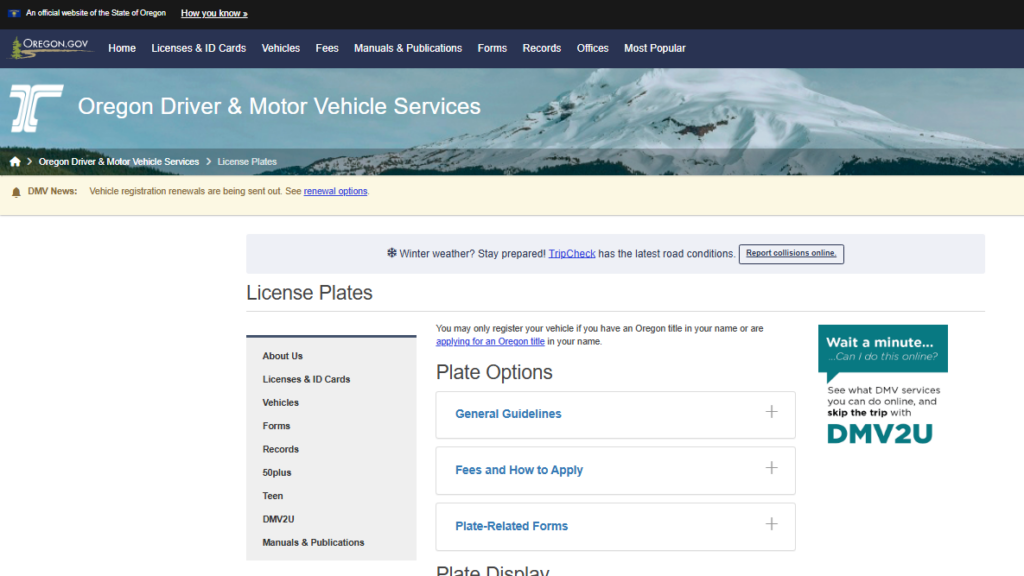
Anyone who wants to choose from Oregon’s vehicle plate options must either already have an Oregon title in their name or be in the process of applying for one. Without an Oregon title, it is not possible to register a vehicle or select official Oregon DMV license plates. Eligibility https://www.oregon.gov/odot/dmv/pages/vehicle/plates.aspx begins with owning or obtaining a title in Oregon. Only vehicles titled to the applicant can be registered, and only then can the owner select from standard, specialty, veteran, or custom plates. This rule ensures that the DMV can verify ownership and maintain accurate records for every vehicle on the road.
Oregon Title Requirement
To qualify for Oregon license plate options, the vehicle must be titled in the owner’s name within the state. This means either:
- You already hold an Oregon title for the vehicle, or
- You are applying for an Oregon title as part of the registration process.
The title serves as legal proof of ownership. Without it, DMV cannot issue plates or allow access to specialty and custom plate options. Vehicles from out of state must go through a title transfer before registration and plate selection can occur.
Registering Your Vehicle
Once the title requirement is met, the next step is to register your vehicle with the Oregon DMV. Registration ensures that the vehicle is properly documented for taxation, safety, and legal purposes. During registration, applicants can explore all available vehicle plate options, including standard plates, specialty plates, and plates for motorcycles, trailers, and campers. Registration also confirms eligibility for plates that may have additional criteria. For example, veteran plates require documentation of military service, while nonprofit or institutional plates require proof of affiliation.
Who Can Apply for Special Plates
Certain plates have additional eligibility conditions:
- Veteran plates: Must provide proof of military service.
- Institutional or nonprofit plates: Only public bodies, educational institutions, or registered nonprofits can apply.
- Special interest or custom plates: Must comply with DMV rules and cannot contain offensive content.
All applicants must have the vehicle titled in their name before these plates can be issued. This ensures accountability and proper record-keeping by the DMV.
Explore Oregon License Plate Choices for Your Vehicle
Oregon offers a variety of license plate options for drivers, ranging from standard designs to specialty and custom plates. These choices allow vehicle owners to select plates that reflect personal interests, affiliations, or support for certain causes while complying with state requirements.
Standard Plate Availability
Vehicle owners in Oregon can choose from several Oregon license plate options, each with unique designs, eligibility rules, and application processes. The most common category is the standard plate, which is issued to most vehicles and features the classic Oregon tree design. These plates are widely available and serve as the default for cars, trucks, and other registered vehicles. Standard plate availability ensures that every driver has a functional and legally compliant option without additional fees beyond registration.
Specialty Plates
Beyond standard plates, Oregon also offers specialty plates for individuals or groups seeking distinctive designs. These include plates supporting environmental causes, universities, nonprofits, and other organizations. Specialty plates often carry an additional fee that supports the associated cause or organization, making them a popular choice for drivers who want to contribute while displaying a unique plate. Examples include special interest plates, university-themed plates, and plates recognizing charitable or environmental efforts.
Custom Plates
In addition to standard and specialty options, drivers may choose custom plates. These allow for personalized text or combinations of letters and numbers, subject to DMV rules for character limits and appropriateness. Custom plates are ideal for drivers who want their vehicle’s registration to reflect their personality, profession, or personal message. The process for obtaining a custom plate typically involves checking for availability, submitting an application, and paying any applicable fees.
Vehicle-Specific Plate Options
Oregon also provides vehicle plate options tailored to specific vehicle types. For example, motorcycles, trailers, campers, and antique vehicles have distinct plate designs and issuance rules. Some vehicles receive a single rear plate, while most passenger vehicles receive two plates for front and rear display. Each type of plate ensures proper identification and compliance with state laws, maintaining clarity and safety on the road.
Summary of Oregon License Plate Choices
Oregon’s license plate system balances functionality and personalization. Drivers can select from standard plates for straightforward registration, specialty plates to support causes or organizations, and custom plates for personal expression. Additional vehicle-specific plate options ensure that every vehicle type has a compliant and visually appropriate plate, giving drivers multiple ways to display Oregon pride while following state regulations.
Standard Oregon License Plates
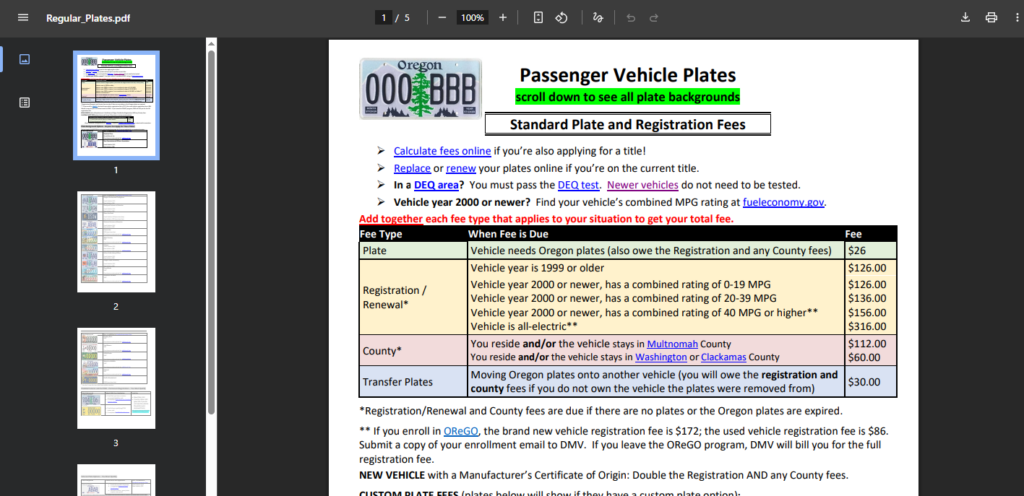
Standard Oregon license plates are the default option for most vehicles registered in the state. They feature a recognizable design and are issued automatically unless a driver chooses a specialty or custom plate. Oregon’s standard plates provide a consistent look https://www.oregon.gov/odot/DMV/docs/Regular_Plates.pdf across vehicles and are the most common choice among drivers. These plates are issued for a wide range of vehicle types and follow specific display rules determined by the DMV. They are often the first option new registrants receive when registering or titling a vehicle in Oregon.
Design Basics of Standard Plates
Oregon license plates feature a clean and simple design that emphasizes visibility and identification. The current standard plate, often referred to as a regular plate, showcases the state name prominently at the top, with a series of numbers and letters centered on a light-colored background. The standard background plates are created for easy recognition by law enforcement and automated systems.
Key features of standard Oregon plates include:
- State name displayed at the top
- An alphanumeric sequence that is unique to each vehicle
- Reflective coating to improve nighttime visibility
- Lightweight metal construction that resists weathering
The design balances durability with legibility, making these plates suitable for everyday use across all standard vehicles.
Vehicle Types That Qualify
Standard plates are issued to most vehicles, including passenger cars, trucks, and SUVs, as long as they meet Oregon’s registration requirements. Vehicles that receive default DMV plates include:
- Passenger vehicles
- Light trucks
- SUVs
- New vehicles being registered for the first time
Vehicles like motorcycles, trailers, campers, antique vehicles, or special-interest vehicles may have different plate options, such as one-plate configurations or specialty plates. The standard plates are most common for vehicles that do not require specialized identification.
When Standard Plates Are Issued by Default
Drivers automatically receive a standard Oregon license plate in several situations. These include:
- New vehicle registration where no specialty or custom plate has been requested.
- Title transfer from another state if the registrant does not select a specialty plate.
- Renewal of an existing registration where the standard plate is still valid.
If a vehicle owner does not request a custom or specialty design, the DMV assigns a regular plate with a standard background. This ensures the plate is ready for display without additional processing.
Important display rules for standard plates include:
- Vehicles requiring two plates must have one on the front and one on the back.
- Vehicles eligible for one plate display it only on the rear.
- Plates cannot be altered, and frames cannot cover the numbers or stickers.
These default plates offer a simple, effective solution for most drivers, providing clear identification while maintaining consistency across Oregon’s registered vehicles.
Specialty License Plate Choices in Oregon
Oregon offers a wide range of specialty license plate choices that allow drivers to show support for causes, organizations, or personal interests. These plates go beyond standard designs and provide meaningful ways to personalize a vehicle while supporting specific programs. Specialty license plates in Oregon include special background plates, charitable plates, and special interest plates, each catering to unique communities, organizations, and causes. Drivers can select from designs that highlight cultural pride, environmental advocacy, or institutional affiliations. These options are available to individuals who meet the DMV’s eligibility requirements and are willing to pay the additional fees associated with specialty plates. Motorcycle license owners also have access to many of these specialty plates, allowing riders to express their interests and affiliations just like passenger vehicle drivers.
Cultural & Organizational Plates
Cultural and organizational plates celebrate heritage, professional groups, and civic associations. They are often issued to support community recognition or raise funds for organizations tied to the plates.
Examples include plates representing:
- Native American tribes in Oregon
- Professional associations, such as teachers or law enforcement groups
- Fraternal and community organizations
These plates typically require proof of membership or affiliation. Fees from these plates may support the associated organization or specific programs it sponsors. By choosing a cultural or organizational plate, drivers can make a visible statement while helping fund initiatives tied to their communities.
Environmental & Cause-Based Plates
Oregon also offers specialty plates that highlight environmental issues, wildlife conservation, and charitable causes. These cause-based plates often include unique imagery, such as forests, animals, or rivers, reflecting the state’s natural heritage.
Popular examples include:
- Oregon Wildlife Plates, which support habitat preservation programs
- Environmental conservation plates, funding statewide ecological projects
- Charitable plates, benefiting health, education, or social services programs
Drivers selecting these plates not only personalize their vehicles but also contribute to ongoing efforts for wildlife protection and public benefit. The DMV ensures that funds from each plate go directly to the designated cause, providing transparency and measurable impact.
Institutional and Nonprofit Plates
Institutional plates are designed for higher education institutions, nonprofits, and public bodies. These plates can show school pride, organizational support, or a connection to specific missions.
Examples include:
- University and college plates, promoting Oregon’s public and private institutions
- Nonprofit organization plates, supporting community initiatives and programs
- Public service plates, for volunteer organizations and government-affiliated groups
Applicants usually need verification from the institution or nonprofit to qualify. These plates can carry distinct designs and logos, making them immediately recognizable while helping generate revenue for programs that align with the institution’s goals.
Veteran and Military License Plate Options
Oregon offers special license plate options for veterans and military service members. These plates recognize service while providing unique designs for eligible drivers. Veteran and military license plates in Oregon allow qualifying individuals to display their service with distinctive veteran background plates. These plates are available for active duty members, retirees, and honorably discharged veterans, giving vehicles a clear, official symbol of military service. Each plate includes specific identifiers that differentiate it from standard plates while maintaining compliance with Oregon DMV rules.
Eligibility for Veteran Plates
To qualify for a veteran or military license plate, the applicant must provide proof of eligibility, such as:
- DD Form 214 (Certificate of Release or Discharge from Active Duty)
- Military ID for active service members
- Documentation of retirement from the armed forces
Eligibility covers all branches of the U.S. military, including the Army, Navy, Air Force, Marine Corps, and Coast Guard. Oregon DMV ensures that only those with verified service can apply, maintaining the integrity of these special plates.
Types of Military and Veteran Plates
Oregon provides several veteran plate options, including:
- Standard Veteran Plates: Recognize service without additional logos or symbols.
- Purple Heart Plates: Available for recipients of the Purple Heart medal.
- POW/MIA Plates: Honor prisoners of war or missing service members.
- Armed Forces Retiree Plates: For retired military personnel with documentation.
These plates may feature unique backgrounds or designs that identify the type of service and branch affiliation.
Application Process
The application process for veteran license plates is straightforward and involves:
- Completing the Oregon DMV special plate application form.
- Providing the necessary proof of military service or veteran status.
- Submit the form and documentation in person at a DMV office or by mail, depending on availability.
Applicants may also need to pay any applicable special plate fees, which vary based on plate type. The DMV reviews submissions to ensure accuracy and eligibility before issuing the plates.
Custom & Personalized License Plate Options
Oregon drivers can choose custom or personalized license plates to make their vehicles unique. These plates allow for a combination of letters and numbers selected by the vehicle owner, giving a personal touch while following DMV rules. Custom license plate options provide flexibility beyond standard plates. Vehicle owners can submit a desired sequence of letters, numbers, or a mix, creating a plate that reflects personal style, hobbies, or affiliations. The Oregon DMV requires that all personalized plates adhere to character limits—usually up to 7 characters for most vehicles and 6 for motorcycles—and must not include offensive or restricted language.
Before applying, drivers can perform a plate availability check through the Oregon DMV online system. This ensures the chosen combination is not already in use, reducing the chance of rejection. Personalized plates come with additional fees compared to standard plates, and renewal typically follows the same schedule as regular registration, making it easy to maintain the custom plate year after year.
How to Apply for Personalized Plates
The application process is straightforward:
- Choose a combination: Letters, numbers, or both within the allowed character limit.
- Verify availability: Use the DMV’s online tool to confirm the choice is unique.
- Complete the form: Submit a custom plate application, which includes vehicle information and payment.
- Pay the fees: Personalized plates usually require an extra one-time fee in addition to standard registration.
Types of Custom Plates
Oregon offers several personalized options beyond standard combinations:
- Classic personalized plates: Basic letters and numbers in a standard plate design.
- Specialty backgrounds: Custom plates with unique designs, such as university logos or charitable causes.
- Veteran plates: Personalized options available for eligible military service members.
By offering these custom license plate options, Oregon provides drivers a way to express personality while complying with DMV regulations. Every vehicle owner has the opportunity to create a plate that reflects identity, interests, or affiliations, making the license plate both functional and distinctive.
Motorcycle, Trailer, Camper & Special Vehicle Plates
Oregon offers specialized vehicle plate options for motorcycles, trailers, campers, and other special vehicles to ensure proper registration and compliance with state laws. These plates differ from standard plates in size, display, and issuance rules.
Motorcycle Plates
Motorcycles in Oregon receive a single rear plate instead of two plates like most vehicles. These plates are smaller than standard plates to fit the bike’s frame while remaining fully legible for law enforcement and toll systems. When applying, the owner must provide a title in their name, proof of Oregon residency, and current insurance coverage. Motorcycle plates are issued in both standard designs and select specialty designs, allowing riders to choose plates that reflect personal interests or support causes.
Key points for motorcycle plates:
- Only one plate is issued, mounted on the back of the bike.
- The plate must remain visible without any frame covering numbers or letters.
- Specialty plates are available, including personalized and organizational plates.
Trailer Plates
Trailers require a single plate mounted on the rear, regardless of size. This applies to cargo trailers, utility trailers, and boat trailers. Trailer owners must ensure the plate is securely attached and fully visible to comply with Oregon plate options rules. Applications require the trailer title or proof of ownership and liability insurance when applicable.
Important trailer plate details:
- One plate per trailer; front plates are not issued.
- Must display current registration stickers.
- Specialty trailer plates are available for eligible organizations or causes.
Camper and Other Special Vehicle Plates
Campers, motorhomes, and other special vehicles often follow the two-plate system, with one plate on the front and one on the rear. Certain smaller or antique campers may qualify for one plate only, similar to motorcycles. Vehicle owners must submit the required forms, proof of ownership, and insurance details. These plates can be standard, specialty, or personalized, depending on eligibility.
One Plate vs Two Plates – Oregon Plate Display Rules
In Oregon, some vehicles are issued a single license plate, while most receive two plates for proper display. The rules for plate placement are strict, and drivers must follow them to avoid penalties. Oregon’s plate display rules dictate how plates must be positioned on a vehicle. For vehicles that receive two plates, one must be mounted on the front and the other on the rear. Vehicles issued only one plate must display it on the rear. The Oregon DMV clearly prohibits altering plates, covering the numbers or letters, or using frames that obscure any part of the plate or validation stickers.
Vehicles Issued One Plate
Certain vehicles in Oregon are eligible for single-plate registration. These include:
- Motorcycles: Plates are mounted on the rear only.
- Mopeds: One rear plate is sufficient.
- Trailers and Campers: Only a rear plate is required for registration.
- Antique and Special Interest Vehicles: Eligible vehicles display a single rear plate according to DMV rules.
Owners must ensure that the plate is clearly visible, securely mounted, and free from obstructions. Using a decorative frame or cover that hides part of the plate is prohibited.
Vehicles Issued Two Plates
Most passenger vehicles, trucks, and SUVs require two plates: one on the front and one on the rear. Proper plate placement is crucial for compliance:
- The front plate must be securely fastened to the vehicle’s front bumper or a designated mounting area.
- The rear plate is attached to the rear bumper or its designated location.
- Both plates must be visible from a reasonable distance and not obscured by cargo, accessories, or license plate frames that cover numbers, letters, or stickers.
This ensures law enforcement can quickly identify vehicles from either direction. Failing to display both plates correctly may result in fines or registration issues.
Rules and Restrictions
Oregon has clear restrictions on plate modification. Drivers must follow these rules to remain compliant:
- No altering or defacing plates: Scratches, paint, or modifications to letters, numbers, or background designs are prohibited.
- No covers or frames: That obscure any part of the plate or validation stickers.
- Proper alignment and visibility: Plates must be level and mounted where intended by the manufacturer.
By adhering to these rules, vehicle owners help maintain safety and ensure that their vehicle plate options meet DMV requirements.
Fees and How to Apply for Oregon License Plates
Getting an Oregon license plate involves paying the correct DMV fees and completing the application process. Fees vary depending on the type of plate chosen and whether it is a new registration or a renewal. The plate selection process begins by deciding which type of plate fits the vehicle and the owner’s preferences. Standard plates, specialty plates, veteran plates, and custom plates all have different fees and requirements. Oregon DMV plate fees depend on the plate type, vehicle weight, and registration duration. Typically, standard passenger plates cost less than specialty or personalized options.
Application Methods
Vehicle owners can apply for plates in several ways. Most choose in-person visits to the Oregon DMV, which allows staff to verify the Oregon title and review necessary documents. Some plate applications can also be submitted online or by mail, particularly for specialty or personalized plates. Each method requires the correct forms and proof of vehicle ownership. When applying, it is important to check which forms are needed. Standard plates often require a Vehicle Registration Application, while specialty plates may need additional approval from sponsoring organizations. Providing accurate information ensures faster processing and avoids delays.
Fees for New vs Renewal Plates
Fees differ depending on whether the plates are new or renewing existing plates:
- New Plates: Standard plates typically include a registration fee plus any applicable title or specialty plate fees. Specialty plates may cost $40–$50 extra, depending on the category.
- Renewals: Renewal fees are usually lower than initial registration and can often be paid online, by mail, or at a DMV office. Renewal reminders are sent to the registered address to ensure continued compliance.
Processing Timelines
After submitting the application and fees, processing timelines can vary. Standard plates are usually issued immediately if applied in person. Specialty, veteran, or custom plates may take several weeks for production and delivery. Online or mail applications typically require extra time for document verification and shipment.
Plate-Related Forms You May Need
When applying for or changing Oregon license plates, drivers must complete specific plate-related forms provided by the Oregon DMV. These forms cover applications for new plates, replacements, and specialty options, ensuring all DMV requirements are met efficiently. Oregon DMV forms are essential for several types of plate requests. For standard vehicles, drivers usually complete an Application for Title and Registration (Form 735-226), which establishes ownership and registration eligibility. If a plate is lost, stolen, or damaged, a Replacement Plate Request Form is required. These forms include information about the vehicle, current registration, and proof of identity.
Specialty plates, such as veteran plates, nonprofit organization plates, or college plates, require additional documentation. Applicants must complete the Special Plate Application Form and provide supporting documents proving eligibility, such as military discharge papers for veterans or proof of nonprofit status. Each form specifies fees, processing times, and required attachments, which helps prevent delays in plate issuance.
Creating a New Oregon License Plate
Organizations and groups can create a new Oregon license plate to represent their mission, cause, or community. Both special background plates and veteran plates are available for eligible entities that meet Oregon DMV requirements. Oregon allows public bodies, nonprofit organizations, higher education institutions, and veteran groups to apply for a custom license plate. These plates provide a way to support a cause or recognize service while following state rules. Each plate type has a specific application process, fees, and eligibility requirements that must be met before production.
Special Background Plates
Special background plates are available for organizations or causes that qualify under Oregon law. To apply, a group must submit an application that includes:
- Organization information: Proof of nonprofit status, mission statement, and official name
- Design proposal: Artwork for the plate that meets DMV specifications
- Minimum order requirement: Plates are produced only after a set number of requests or pre-orders
- Approval process: DMV reviews the design for compliance with state regulations
These plates often represent charities, schools, environmental causes, or other public interest initiatives. Once approved, a portion of the plate fees usually supports the organization, providing ongoing funding for its programs.
Veteran Plate Creation Process
Veteran groups can request a plate that honors military service. Eligibility requirements include:
- Proof of service: Veterans must provide discharge papers or official documentation
- Group sponsorship: Plates must be requested by recognized veteran organizations
- Design submission: Artwork should reflect the veteran group’s identity while complying with DMV standards
- Fee structure: Fees for veteran plates may include a small production cost, with some proceeds benefiting veteran programs
These plates are available for cars, trucks, motorcycles, or trailers, depending on vehicle type. Displaying a veteran plate helps recognize service members while also contributing to supporting veteran-related initiatives.
(FAQ) About License Plate Options
Oregon drivers have a variety of license plate choices, including standard, specialty, and personalized options. Switching, replacing, or transferring plates is allowed under specific DMV rules, depending on the vehicle type and ownership.
Can I transfer my Oregon license plate to a new vehicle?
Yes, most standard Oregon plates can be transferred between vehicles you own. To transfer a plate, both vehicles must be registered in your name, and you need to complete the DMV transfer form. Specialty or personalized plates may have additional requirements or fees.
How do I replace a lost or damaged Oregon license plate?
If a plate is lost, stolen, or damaged, you can request a replacement through the DMV. There is a small replacement fee, and once processed, a new plate will be issued. Temporary plates may be provided while waiting for the permanent ones.
Can I switch from a standard plate to a specialty or personalized plate?
Yes, Oregon allows drivers to switch to specialty or personalized plates at any time. You must submit the proper application, pay any additional fees, and ensure your new plate complies with state rules for display and registration.
Are there specific rules for displaying one plate versus two plates in Oregon?
Yes, vehicles like motorcycles, trailers, campers, and certain specialty vehicles require only one plate, typically on the rear. Most other vehicles require two plates—one on the front and one on the back. Plates must be clearly visible, and frames or covers that block numbers or stickers are prohibited.
Do I need any documents to transfer, replace, or switch my Oregon license plate?
Yes, the DMV usually requires proof of vehicle ownership, current registration, and valid identification. Additional forms may be needed for specialty or personalized plates. Always check the specific DMV form for your plate type to ensure smooth processing.