Oregon license plate renewal is the process of updating a vehicle’s registration to remain legal on the road. Vehicle owners must renew their plates before the expiration date to avoid fines, and the state sends a renewal notice to make the process simple and timely. This yearly update confirms that your vehicle is registered correctly and that all fees and taxes are current. Completing renewal on time also helps avoid late penalties and ensures uninterrupted access to DMV services.
Renewing an Oregon license plate can be done online through DMV2U, by mail, or in person at a local DMV office. Completing registration renewal on time ensures compliance with state law, keeps insurance information current, and avoids interruptions in vehicle use. Following OR DMV Rules is essential to ensure all documentation and fees are submitted correctly, preventing potential delays or penalties. Using DMV2U allows vehicle owners to renew quickly and securely without visiting a DMV office, while mail and in-person options provide flexibility for those who prefer traditional methods. Each method is designed to make the renewal process straightforward and reliable.
What Is License Plate Renewal in Oregon?
Oregon license plate renewal is the process of updating a vehicle’s registration to remain legally active. This ensures that both the vehicle and owner information on file with the DMV are current. License plate renewal in Oregon https://www.oregon.gov/odot/DMV/Pages/index.aspx is a legal requirement for all registered vehicles. Each year or every two years, depending on the vehicle type and registration option, owners must pay fees and confirm their information is accurate. The process updates details such as the owner’s address, vehicle status, and any specialty plate selections. Completing renewal on time helps drivers avoid penalties, late fees, or potential registration suspension.
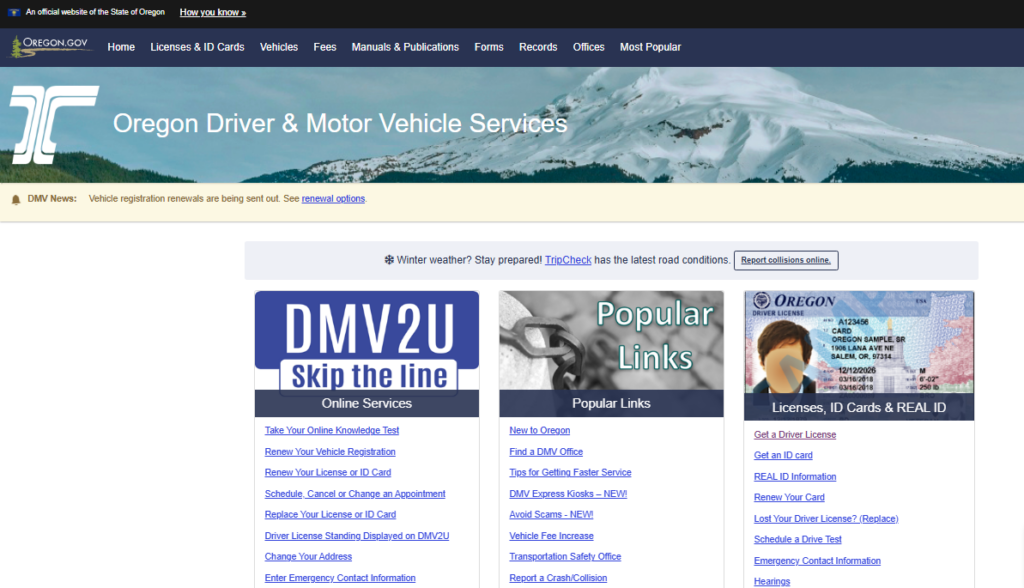
Key points about Oregon registration renewal:
- Timeline: Most Oregon registrations expire on the last day of the month of the vehicle owner’s birthday. Renewal reminders are sent by mail or email several weeks before expiration.
- What it updates: Renewal confirms current owner information, vehicle insurance status, and any changes to the vehicle itself.
- Legal requirement: Driving with an expired registration is illegal and can result in fines or citations.
- Payment options: Renewal can be completed online, by mail, or in person at DMV offices.
Many drivers choose online renewal for convenience, which is fast and provides immediate confirmation. Additionally, completing the process on time ensures that the vehicle remains fully covered under Oregon law. By keeping registration current, drivers maintain compliance with state regulations and reduce the risk of enforcement issues. Renewal is a simple step that safeguards both the vehicle and the owner.
Common renewal reminders:
| Renewal Method | Typical Processing Time | Notes |
|---|---|---|
| Online | Instant to 3 business days | Requires a DMV account and current insurance |
| 7–10 business days | Include payment and completed forms | |
| In-person | Same day | The DMV visit may involve wait times |
Do You Need To Renew Your Oregon License Plate?
Yes, all Oregon vehicle owners must renew their license plates before the expiration date. Failing to renew on time can result in fines, penalties, and potential legal issues. Renewing your Oregon license plate is a legal requirement for every registered vehicle in the state. The Oregon DMV sends a renewal notice before your plate expires, reminding you to complete the Oregon license plate renewal process. Ignoring this notice can lead to late fees and, in some cases, vehicle impoundment. Most drivers receive their renewal reminder through mail or email via DMV2U, Oregon’s online vehicle services portal. Renewal can be completed quickly online, by mail, or in person at a local DMV office.
Key points about Oregon license plate renewal:
- Plates typically expire on the last day of the owner’s birth month.
- A renewal notice is sent 4–6 weeks before expiration.
- Late renewal may result in fines ranging from $15 to over $100, depending on how long it is overdue.
- Drivers must ensure their vehicle registration is up to date to legally operate on public roads.
Following the state’s expiration rules helps avoid unnecessary penalties and ensures your vehicle remains legally registered. Timely renewal is simple, and using DMV2U makes it fast and convenient.
When to Renew Your Oregon License Plate
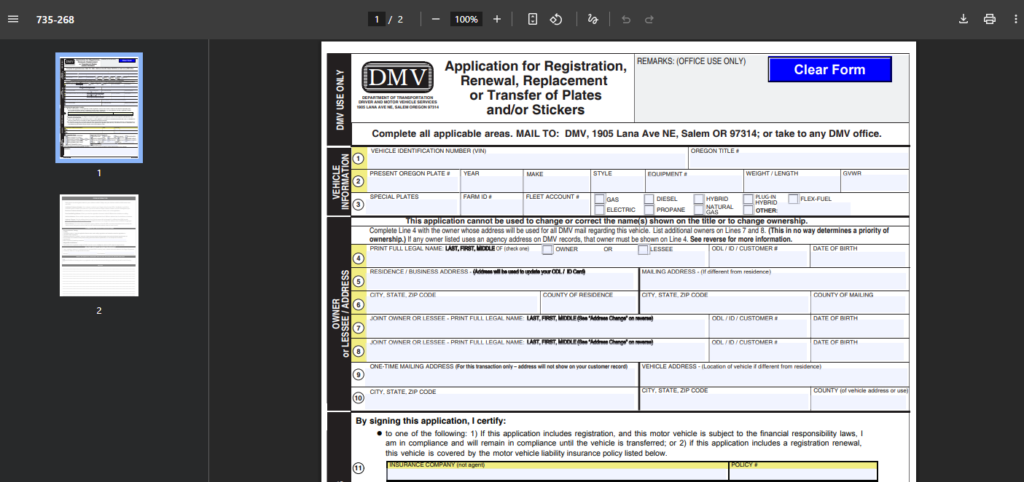
Oregon license plates must be renewed every two years. Vehicle owners should plan to avoid late fees and ensure their registration stays current. Oregon follows a two-year renewal cycle for most passenger vehicles. The renewal timeline is tied to the month your registration expires, and the DMV typically https://www.oregon.gov/odot/Forms/DMV/268fill.pdf sends a renewal notice 45 to 75 days before the due date. This notice includes the registration due date, fees, and instructions for completing the renewal online, by mail, or in person. Many drivers use this window to conveniently complete their renewal. If a vehicle owner does not receive the notice, they can still renew as long as they know the expiration date. Missing the deadline may result in fines or penalties, so it is essential to keep track of the expiration rules.
Temporary Registration Option
If a license plate expires before renewal is complete, Oregon allows a temporary permit t o legally drive while processing the official registration. This is especially useful if DMV processing takes longer than expected. Temporary permits are valid for a short period and provide flexibility for vehicle owners who renew close to the deadline.
Oregon License Plate Renewal Timeline
| Step | Timeline | Notes |
|---|---|---|
| DMV sends renewal notice | 45–75 days before expiration | Includes fees, renewal instructions |
| Renewal due date | Expiration month | Must pay to avoid late fees |
| Temporary registration option | When renewal is delayed | Valid for short term, issued by DMV |
By following this schedule, vehicle owners can complete the Oregon license plate renewal without stress. Staying aware of the DMV processing times, renewal notices, and expiration rules ensures that registration remains valid and compliant.
How To Renew Your Oregon License Plate
Renewing an Oregon license plate is a required process to keep your vehicle legally registered and avoid late fees. Vehicle owners can complete the Oregon registration renewal online, by mail, or in person at a DMV office. The renewal process updates your registration, ensures your insurance information is current, and issues a valid registration card. Depending on your preference, the Oregon DMV offers multiple methods to complete this task conveniently. Before starting, make sure you have your renewal notice or vehicle information ready. Laws & regulations governing vehicle registration in Oregon mandate that all owners maintain current registration and display valid plates, helping ensure compliance with state requirements and avoid penalties. Understanding these rules can make the renewal process smoother and prevent potential legal issues.
Required documents for Oregon license plate renewal:
| Document | Purpose |
|---|---|
| Renewal notice or vehicle information | Confirms your registration details |
| Proof of insurance | Required for registration validity |
| Payment method (credit/debit/check) | Covers registration fees |
| Emission test results (if applicable) | For vehicles in certain areas |
| Identification (driver’s license/ID card) | Verifies the registrant |
Online Renewal via DMV2U
Oregon residents can quickly renew a license plate online using DMV2U, the official Oregon DMV digital platform. This method is fast, secure, and eliminates the need to visit a DMV office. Once completed, users can print an electronic registration receipt or receive their updated registration by mail.
Steps for online renewal via DMV2U:
- Visit the https://dmv2u.oregon.gov/eServices/_/.

- Log in or create an account using your personal information and vehicle details.
- Select “Renew Oregon License Plate” and confirm your vehicle.
- Enter payment information for registration fees.
- Print or save your proof of registration for your records.
Online renewal typically completes within minutes. DMV2U also allows users to track the mailing of their new registration and decals, ensuring a smooth process.
Renewing by Mail or In Person
For those preferring a traditional approach, Oregon license plate renewal can be completed by mail or in person at a DMV office. This option works well for residents who need assistance or prefer paying by check.
By Mail:
- Complete the renewal application included with your notice.
- Attach payment (check or money order) for fees.
- Send documents to the address listed on your renewal notice.
In Person:
- Visit your local Oregon DMV office during business hours.
- Bring your renewal notice, proof of insurance, ID, and payment for fees.
- Submit your registration application and receive updated plates or decals.
DMV office guidance:
| Detail | Information |
|---|---|
| DMV hours | Typically 8 a.m. – 5 p.m., Mon–Fri (check local office) |
| DMV locations | Multiple offices statewide; search by city or zip code |
| Payment | Credit/debit cards, cash, or checks accepted |
| Turnaround | Immediate receipt for in-person, 1–2 weeks by mail |
Using mail or in-person methods ensures you can ask staff questions and confirm your registration details on the spot. Either method keeps your vehicle legally registered and avoids late fees.
Documents Required for Oregon License Plate Renewal
For Oregon license plate License Renewal, vehicle owners must provide a few key documents to complete their Oregon registration renewal. These typically include proof of insurance, a completed renewal application, and any additional documents required, depending on vehicle type or emissions rules. Providing all necessary documents ensures a smooth License Renewal process and helps avoid penalties for late or incomplete submissions. In certain counties, the Oregon DMV may also require proof of emissions testing, making preparation essential before visiting a DMV office or completing the License Renewal online.
Required Documents for Renewal
The following items are commonly required for Oregon license plate renewal:
- Renewal Application: This is sent by the DMV as a renewal notice or can be downloaded from the official DMV website.
- Proof of Insurance: Valid Oregon auto insurance must cover the vehicle at the time of renewal.
- Current Vehicle Registration: The existing registration helps verify the vehicle and owner information.
- Identification: A valid government-issued ID, such as a driver’s license or state ID card, may be requested.
- Emissions Test Certificate: Required if the vehicle is registered in certain areas where emissions testing is mandatory.
Optional or Situational Documents
Some situations may require additional paperwork:
- Lienholder Information: If a vehicle is financed, the lienholder details might be needed.
- Special Plate Forms: For personalized, veteran, or specialty plates, specific forms and fees apply.
- Payment Method: Credit/debit cards, check, or cash accepted, depending on renewal method.
Having all documents ready can reduce delays and allow Oregon registration renewal to be completed online, by mail, or in person efficiently. Vehicle owners should check the renewal notice for specific requirements, as rules may vary by county.
Fees for Oregon License Plate Renewal
Oregon license plate renewal cost depends on the type of plate and the vehicle’s registration details. Standard plates are generally less expensive, while specialty plates come with additional fees. The registration fees in Oregon vary based on the plate type, vehicle weight, and county of residence. For a standard plate, the renewal cost typically covers the base registration fee and state taxes. Specialty plates, such as personalized or commemorative designs, include a surcharge on top of the standard fee. All renewals are available for a one- or two-year period, with two-year registration often offering a slightly lower annual cost overall.
Standard vs Specialty Plate Fees
| Plate Type | 1-Year Renewal | 2-Year Renewal | Notes |
|---|---|---|---|
| Standard Plate | $98 | $196 | Covers basic registration, no added surcharge |
| Specialty Plate | $118 | $236 | Includes $20 specialty plate surcharge, designs vary by theme |
County variations can affect the final cost slightly, depending on local taxes or administrative fees. However, Oregon does not currently offer a senior discount for license plate renewals, so fees apply uniformly to all vehicle owners.
Additional Cost Details
- Specialty plate surcharge: This fee contributes to supporting specific programs or organizations tied to the plate design.
- Two-year registration: Paying for two years at once can simplify the renewal process and prevent missing deadlines.
- Payment methods: Fees can be paid online, by mail, or in person at local DMV offices.
For most Oregon residents, planning for the renewal cost in advance ensures a smooth process and avoids late fees. By knowing the difference between standard and specialty plates, drivers can make an informed decision that fits their budget and preferences.
Proof of Insurance Requirement
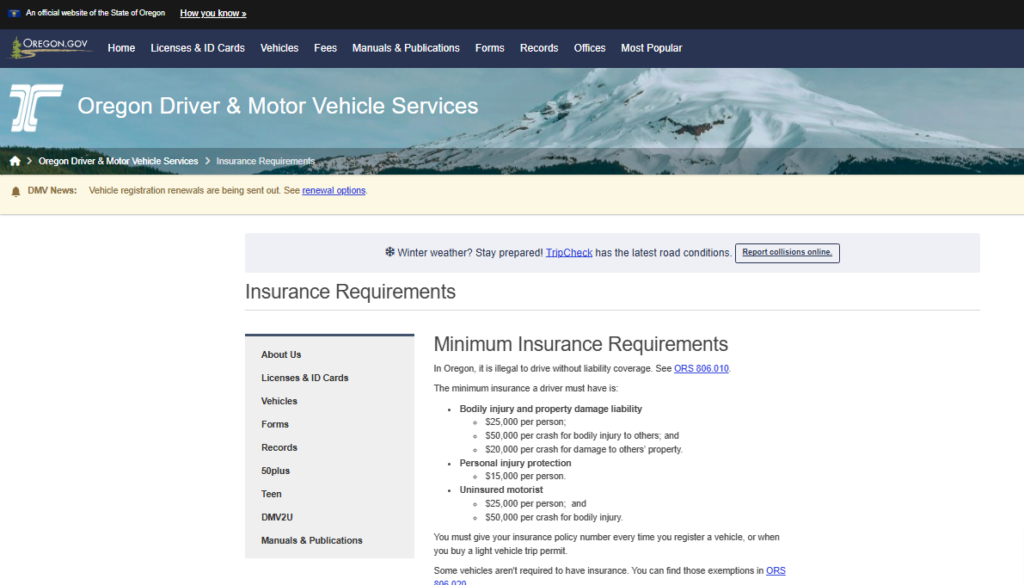
Drivers renewing their Oregon license plates must provide proof of insurance. This requirement confirms that every registered vehicle carries at least the state’s minimum liability coverage. https://www.oregon.gov/odot/dmv/pages/driverid/insurance.aspx Oregon law mandates that all vehicles have liability insurance before license plates can be renewed. Proof of insurance protects drivers financially if an accident occurs and ensures compliance with legal requirements. Without valid insurance, the DMV will not process your Oregon license plate renewal.
Eligible proof can include:
- Insurance card issued by your provider
- Electronic confirmation from your insurance company
- Policy documents showing active coverage
The state requires liability coverage that meets these minimums:
- $25,000 for bodily injury per person
- $50,000 for total bodily injury per accident
- $20,000 for property damage per accident
Temporary or expired coverage will not be accepted. If insurance lapses, drivers may face fines or suspension of registration. Additionally, some specialty plates may have extra verification steps, so confirming coverage before renewal can prevent delays.
Penalties for Late or Missed Renewal
Missing an Oregon license plate renewal can result in fines and registration complications. Vehicle owners may face a registration expiration penalty if they fail to renew on time. When a registration lapses, the Oregon DMV imposes late fees based on how long the renewal is overdue. These fees increase the longer a vehicle operates with expired registration, making timely renewal the most cost-effective option. Driving with an expired plate is considered a traffic violation and can lead to citations or fines from law enforcement. Vehicle owners who miss their renewal deadline can still obtain temporary registration to stay compliant while completing the renewal process. Temporary registrations are usually valid for 30 days, giving drivers legal coverage and avoiding additional penalties during the renewal period.
Here’s what to expect for late Oregon license plate renewal:
- Late Fees: Typically range from $15 to $50, depending on how many months the registration is overdue.
- Traffic Citations: Operating a vehicle with expired plates can result in on-the-spot fines.
- Temporary Registration: Issued by DMV to allow continued legal driving while renewal is processed.
Maintaining on-time renewal avoids the hassle of late fees and ensures vehicles remain legally registered. For many drivers, the registration expiration penalty is a reminder that even brief delays can have immediate consequences. Keeping track of renewal dates and using reminders can prevent these issues and ensure smooth compliance with Oregon DMV regulations.
(FAQ) About Plate Renewal
Oregon residents can renew their license plates before or shortly after expiration. Renewal can be completed online, by mail, or in person through the DMV. Keeping registration current avoids fines and allows uninterrupted vehicle use. The following answers address common questions about Oregon license plate renewal.
Can I renew my plate after it expires?
Yes, drivers can renew their Oregon license plates even after they have expired, but late fees may apply. Typically, registration can be renewed within 30 days of expiration without major penalties, while delays beyond this period may result in higher fines and restricted driving privileges. Using DMV2U online or requesting a temporary registration allows vehicles to remain legally on the road while completing the renewal process.
Is there a senior discount?
Oregon offers discounts for senior drivers when renewing their vehicle registration, usually for those aged 65 and older who own passenger vehicles. The discount reduces the standard Oregon license plate cost and can be applied online through DMV2U or via a mailed renewal form by providing proof of age, such as a driver’s license. Seniors benefit from lower annual fees, making timely renewal more affordable.
How do I get a temporary registration?
A temporary registration is issued to allow legal driving while waiting for new plates or registration stickers. It is available when renewal is processed online, by mail, or in person, but the official documents have not yet arrived. Temporary permits are generally valid for 30 days and must be displayed in the vehicle until permanent plates are received, ensuring drivers remain compliant with Oregon expiration rules.
Can I pay online or by mail?
Oregon residents can renew their license plates online, by mail, or in person at a DMV office. Using DMV2U provides the fastest processing and instant confirmation, while mailed renewals require sending the renewal notice along with payment. Paying online or by mail ensures drivers can continue to legally operate their vehicles, and signing up for a registration reminder helps avoid late fees or expired registration issues.
When should I renew my Oregon license plate to avoid late fees?
Drivers should renew their Oregon license plates before the expiration date listed on the registration card to avoid late fees. Oregon allows early renewal, which helps prevent issues caused by processing delays, mail delivery time, or missed deadlines. Using online renewal through DMV2U and signing up for a registration reminder keeps the renewal timeline on track and reduces the risk of driving with expired registration.