Registering a license plate in Oregon is mandatory for every vehicle operated on public roads. This process ensures each vehicle is officially linked to its owner, verifies compliance with state regulations, and provides DMV-issued registration documents and visible stickers. Whether the vehicle is newly purchased, transferred from another owner, or brought from out of state, registration confirms legal authorization for operation. Proper registration also supports law enforcement tracking, facilitates insurance verification, and helps prevent fines or penalties. Oregon’s DMV requires accurate documentation, including proof of ownership, current insurance, and, when applicable, emissions compliance, to complete the registration process successfully.
The Oregon license plate registration procedure includes gathering essential documents, accurately filling DMV forms, and paying registration fees that vary based on vehicle type, weight, and plate selection. Submissions can be made online through the DMV2U portal, by mail, or in person at local DMV offices, offering flexibility for vehicle owners. Oregon DMV Plate Services streamlines this process, handling plate issuance, registration submission, and proper DMV plate processing, while providing registration stickers that must be displayed on the vehicle. Timely registration and renewal keep vehicles compliant, and options for replacing lost plates, transferring plates between vehicles, or ordering specialty and personalized plates enhance convenience. This structured system ensures that all vehicles remain documented, safe, and aligned with Oregon law.
What Is Oregon License Plate Registration?
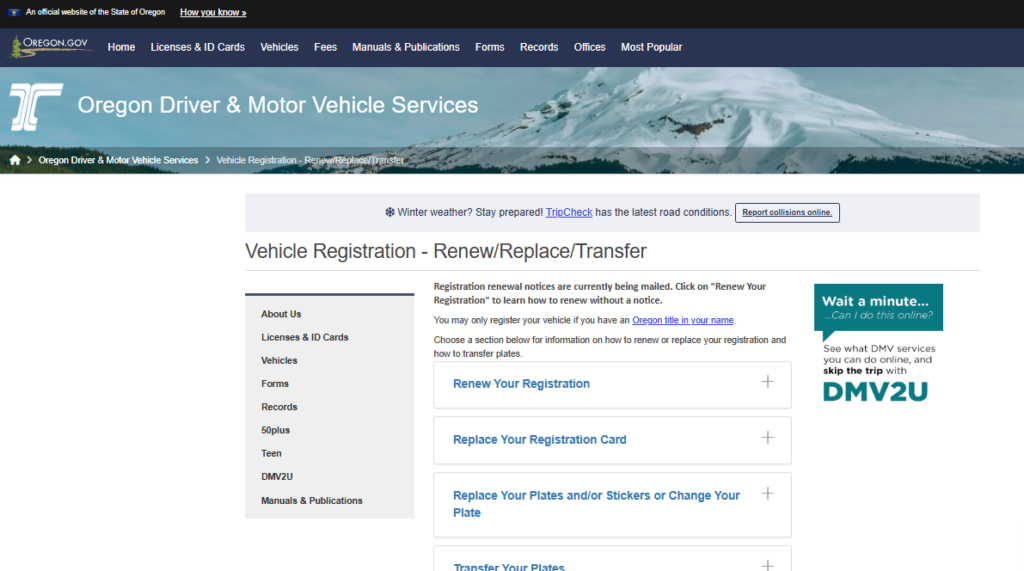
Oregon license plate registration is the official process of registering a vehicle with the Oregon Department of Motor Vehicles (DMV) and obtaining valid license plates. This registration ensures that a vehicle is legally recognized and compliant with state requirements. Registering a license plate in Oregon involves submitting the proper forms, proof of ownership, and payment of fees to the DMV. Once processed, the DMV issues https://www.oregon.gov/odot/dmv/pages/vehicle/registration.aspx license plates and registration documents that must be displayed on the vehicle. This process, often called plate issuance, is a critical part of maintaining legal vehicle operation in the state.
The registration process also ensures that vehicles meet registration requirements, including up-to-date insurance and, in some cases, emissions testing. DMV plate processing typically involves verifying ownership, inspecting vehicle identification numbers (VINs) if necessary, and applying any state or county fees. Most registration requests are completed within a few days to a couple of weeks, depending on whether the submission is online, by mail, or in-person.
Key points about Oregon license plate registration include:
- Proof of ownership: Title or bill of sale is required.
- Insurance compliance: Liability insurance must be active and documented.
- Emissions testing: Certain areas require passing an emissions inspection.
- Plate issuance: DMV provides new plates or renewal stickers after processing.
By completing Oregon license plate registration properly, vehicle owners ensure their cars remain legal on the road, avoid fines, and maintain accurate DMV records. Proper attention to each step helps prevent delays in registration submission and ensures smooth DMV plate processing.
Who Must Register a License Plate in Oregon?
- Vehicle owners in Oregon must register their license plates with the DMV.
- New residents have 30 days to register vehicles after moving from another state. A valid Oregon DMV title is required.
- New vehicle buyers must register their car before driving. Required documents include the title, proof of insurance, and completed DMV forms.
- Out-of-state vehicles need registration in Oregon. Owners must provide the previous state’s title, proof of Oregon residency, and pass any inspections or emissions tests.
- When a vehicle changes ownership, the new owner must register the license plate under their name and update the DMV title.
- Temporary permits are available for short-term use before full registration.
- Registration ensures compliance with Oregon law, valid license plates, and updated DMV records.
Oregon License Plate Registration Requirements
Registering a license plate in Oregon requires a few key documents and steps. These requirements confirm vehicle ownership, Oregon residency, and compliance with state regulations. Before submitting your registration, the Oregon DMV requires specific paperwork to process your application efficiently. Meeting these requirements helps avoid delays, fines, or rejected registrations.
Proof of Ownership & Title
Vehicle ownership must be clearly documented. The DMV accepts the following:
- Oregon title for vehicles previously registered in Oregon.
- Manufacturer’s Certificate of Origin for new vehicles.
- Out-of-state title for vehicles moving from another state.
Ensure the title is properly signed and any liens are documented. This prevents registration issues and ensures DMV plate processing proceeds smoothly.
Proof of Oregon Residency
Applicants must show evidence of Oregon residency. Acceptable documents include:
- Utility bills with your name and Oregon address.
- Lease agreements or mortgage statements.
- Oregon driver’s license or ID card.
Residency verification helps confirm eligibility for Oregon plate registration and aligns with DMV registration requirements.
Insurance Requirements
Oregon law mandates liability insurance for all registered vehicles. Documentation must show:
- Policy is valid for the vehicle being registered.
- Coverage meets state minimum liability limits.
Submitting proof of insurance is part of the registration submission process and ensures compliance with state law.
Emissions Testing (DEQ)
Some vehicles require emissions tests through the Department of Environmental Quality (DEQ). Typically, vehicles in the Portland and Eugene areas, and certain model years, must pass an emissions inspection before registration.
- Provide DEQ test certificates when submitting registration forms.
- Out-of-state vehicles may require additional testing if they were not previously inspected.
VIN Inspection Rules
The DMV may require a Vehicle Identification Number (VIN) inspection for:
- Out-of-state vehicles
- Rebuilt or reconstructed vehicles
- Salvage titles
The VIN must match all registration documents. A certified inspector or DMV official typically performs this verification.
How to Register License Plates in Oregon: Steps
Registering license plates in Oregon is a straightforward process that ensures your vehicle meets state requirements. By following these steps carefully, drivers can complete the registration efficiently and receive their plates without delays.
Gather Required Documents
Before starting the registration, drivers must collect all necessary documents for plate issuance and smooth registration submission, including the vehicle’s title or ownership documents, a valid ID, proof of insurance, any required emissions paperwork from the DEQ, and completed DMV forms such as 735‑226 and 735‑268. Having these items ready reduces the chance of errors and ensures the DMV can process the application quickly.
Complete the Registration Forms
Accurately filling out DMV forms is essential to registering plates in Oregon. Forms 735‑226 and 735‑268 require correct personal and vehicle information, including VIN, name, address, and plate type. Avoid leaving sections blank or providing inconsistent details, as errors can delay registration submission and the subsequent plate issuance.
Submit Your Registration
Once forms are complete, registration can be submitted online, by mail, or in-person at a local DMV office. The DMV2U portal allows fast online processing with immediate confirmation, while mailing requires sending copies of all documents to the Salem office. In-person submission lets staff verify forms on the spot, ensuring smooth plate issuance and minimizing delays.
Pay Fees
Payment is required to finalize registration and obtain your plates. Oregon charges standard plate fees, title and registration fees, and, in some counties, additional local fees. Payment can be made by credit card, check, money order, or in-person at the DMV, with typical costs ranging from $100 to $150 for standard vehicles, while specialty plates may cost more. Paying the correct amount is necessary to complete the registration submission successfully.
What Happens After You Submit
After submission, the DMV begins processing the application, which typically takes 7–10 business days for online or mailed forms, while in-person submissions may be processed the same day. During this stage, the Types of License Plates selected—such as standard, specialty, custom, or disability plates—are reviewed to confirm eligibility, availability, and fee requirements. Each plate type may follow slightly different approval steps depending on design and documentation needs. Once approved, license plates and registration stickers are mailed or issued at the office, and temporary tags may be provided for immediate legal operation. Following this process ensures timely DMV plate processing and plate issuance without interruptions.
Oregon License Plate Fees
Oregon license plate registration involves several types of fees, including standard registration, renewal, replacement, and out-of-state processing costs. Here’s a detailed breakdown:
Standard Plate Registration Fees
- Passenger vehicle registration fees typically range from $86 to $148.
- Fees vary based on vehicle weight and registration period.
- Covers the license plate issuance and registration documents.
Renewal Fees
- Renewal costs are generally similar to the original registration fees.
- Slight adjustments may occur depending on vehicle age or county taxes.
- Registration can be renewed online, by mail, or in person at any Oregon DMV office.
- Renewing on time prevents late penalties, which usually add $20–$30.
Replacement Fees
- Applies if a plate is lost, stolen, or damaged.
- Standard replacement plates cost between $32 and $48.
- Specialty or personalized plates may have higher replacement fees.
Out-of-State Registration Fees
- Vehicles purchased from another state may incur additional processing fees.
- Typical out-of-state processing fee is around $50, in addition to standard registration and title fees.
Renewing, Replacing & Transferring Plates
Renewing, replacing, or transferring license plates in Oregon keeps vehicles legally registered and ensures compliance with DMV regulations. Each process has specific steps, fees, and timelines that vehicle owners must follow carefully.
Renewal
Oregon requires license plate registration renewal every two years. Renewal keeps a vehicle legally registered and avoids fines for expired registration.
Vehicle owners can renew their plates in several ways:
- Online: Through the Oregon DMV2U portal, users can submit their renewal and payment quickly.
- By Mail: Renewal notices include instructions and a pre-addressed envelope for mailing payment and documents.
- In Person: DMV field offices accept renewals directly, where staff can verify documentation and issue new registration stickers immediately.
During renewal, it is necessary to confirm that the vehicle’s insurance is valid and any required emissions tests are up to date. Renewal notices typically arrive 60 days before the expiration date, but owners may also check their registration status online using their plate number.
Replacement
License plates can be replaced if they are lost, stolen, or damaged. Oregon allows replacement of both the physical plate and registration stickers without needing a full re-registration.
Replacement plates can be obtained:
- In Person: Visit a DMV office with valid identification and proof of vehicle ownership.
- By Mail: Complete a replacement request form and submit payment along with supporting documents.
- Online: Eligible vehicles may request replacements through the DMV2U portal.
If a registration sticker is damaged or removed, vehicle owners can request a sticker replacement without changing the plate itself. Replacement fees vary depending on the type of plate and whether it is a standard or specialty plate.
Important replacement details:
- Replacement plates must display the same plate number unless ordering a new specialty or personalized plate.
- Lost or stolen plates should be reported immediately to avoid misuse.
- Fees typically range from $50–$100, depending on circumstances.
Using phrases like register license plate replacement naturally throughout the section emphasizes actionable instructions and search relevance.
Transfer to Another Vehicle
Oregon allows vehicle owners to transfer license plates from one vehicle to another, as long as both vehicles meet state eligibility requirements. This process avoids ordering new plates unnecessarily and can save time and fees.
Eligibility rules include:
- Both vehicles must be registered in Oregon.
- The plate being transferred cannot be a specialty plate with restricted use.
- The owner must provide proof of ownership for both vehicles.
Transfer steps:
- Complete the plate transfer form available from the DMV.
- Submit proof of insurance and any required emissions inspection reports.
- Pay the transfer fee, which varies depending on plate type.
Oregon Specialty & Custom License Plates
Oregon offers a variety of specialty and custom license plates that allow vehicle owners to express individuality or support causes they care about. These plates can be ordered at the time of registration or later through the Oregon DMV. Specialty plates include options for veterans, nonprofit organizations, universities, and environmental causes. Each type of plate supports a specific group or mission, and a portion of the fees often goes to fund the associated program. Personalized plates allow drivers to choose unique letter and number combinations, giving a distinctive look to their vehicle.
Rules for Personalized Plates:
- Plates may include 1–7 characters, including letters, numbers, and certain symbols.
- Offensive or prohibited language is not allowed.
- Each plate request is subject to availability and DMV approval.
- Renewal follows the standard registration cycle, with added fees for personalization.
Specialty Plates Options:
- Veteran Plates: Recognize service members and support veteran programs.
- Nonprofit Plates: Include plates for organizations like wildlife preservation and children’s charities.
- University Plates: Feature Oregon colleges and universities, with proceeds benefiting scholarships.
- Environmental Plates: Fund natural resource and conservation initiatives.
Fees & Processing Times:
- Standard specialty plates typically cost an additional $50–$75 at initial registration.
- Personalized plates can cost up to $100 extra, depending on the design.
- Processing generally takes 4–6 weeks, with temporary tags provided if plates are not immediately available.
Common Questions About License Plate Registration
Registering license plates in Oregon can bring up several common questions for vehicle owners. Understanding the process, timelines, and requirements helps ensure compliance with state laws and avoids unnecessary fines or delays. The following FAQs address key concerns and provide clear, practical answers.
How long does it take to receive Oregon plates?
Oregon license plates usually arrive within two to four weeks after the DMV processes your registration. While waiting for permanent plates, temporary tags are provided and remain valid for up to 90 days, allowing drivers to legally operate their vehicles. Processing time can vary depending on the DMV office and the chosen mailing method. Many drivers use the DMV2U online portal to check the status of their plate issuance, which helps ensure they know when to expect delivery. By issuing temporary tags immediately, Oregon ensures there is no lapse in legal registration for new or transferred vehicles.
Can I keep old plates if I move out of state?
No, Oregon requires drivers to surrender their old plates when registering their vehicle in a new state. Keeping previous Oregon plates is not permitted because registration must comply with the laws of the new state. When relocating, vehicle owners should submit their old plates to the Oregon DMV in person or by mail. Returning the plates helps maintain accurate DMV records and prevents unauthorized use of the plates after moving. It also ensures that drivers are no longer liable for fees or legal responsibilities linked to their previous registration.
What happens if my registration expires?
Driving with an expired registration in Oregon can result in fines, penalties, or even vehicle impoundment. Law enforcement officers may issue citations if they notice vehicles without current registration stickers displayed. Vehicle owners should renew their registration promptly, either online, by mail, or at a local DMV office, to avoid extra charges or enforcement actions. If the registration has expired for a long period, additional inspections or fees may be required before the DMV can issue new plates or stickers. Keeping registration current ensures legal compliance and uninterrupted vehicle operation.
Do I need to surrender old Oregon plates?
Yes, any old plates must be returned to the DMV when replacing, transferring, or canceling your registration. This applies if a vehicle is sold, moved out of state, or a new plate design is requested. Returning the plates either in person or by mail prevents fraudulent use and ensures that the DMV can deactivate the old plates in its system. Once the old plates are surrendered, temporary or replacement plates are issued so that the vehicle can continue to operate legally without interruption.
What penalties apply for expired plates?
Expired plates in Oregon can trigger fines ranging from $115 to $500, depending on how long the registration has been expired and local enforcement rules. Repeated violations may result in more severe consequences, including vehicle impoundment or additional administrative fees. The DMV may require proof of insurance and completion of any necessary inspections before the registration can be renewed. Maintaining valid registration avoids fines, keeps the vehicle legally operable, and ensures compliance with all Oregon DMV regulations.