When buying or selling a car in Oregon, understanding a vehicle’s past is crucial. Vehicle history reports provide a detailed record of a car’s previous ownership, title records, accident history, and maintenance timeline. Whether you’re a first-time buyer or an experienced seller, having access to a comprehensive car history report helps you make informed decisions, avoid hidden problems, and ensure a fair transaction. These reports are especially valuable in Oregon, where state-specific data such as title branding and registration history can reveal important insights about a vehicle’s condition and legal status.
A complete vehicle history in Oregon goes beyond just the basics. By examining an OR License Plate, you can access information that uncovers odometer discrepancies, past recalls, liens, and even theft records, giving you a clear picture of the car’s reliability and value. Checking a vehicle’s ownership timeline and accident history before purchase helps you avoid costly mistakes and negotiate with confidence. In this guide, we’ll explain everything you need to know about obtaining and understanding vehicle history reports in Oregon, including official DMV sources, third-party services, and tips for identifying potential scams.
What Are Vehicle History Reports?
A vehicle history report is a detailed record of a car’s past, showing ownership, accidents, title changes, and other key information. In Oregon, these reports help buyers and sellers make informed decisions and avoid costly surprises. Vehicle history reports, sometimes called car history reports, https://www.oregon.gov/odot/dmv/pages/records/index.aspx compile data from multiple sources to provide a complete picture of a vehicle’s past. They typically include title records, ownership timeline, accident history, odometer readings, recall information, and any reported theft or liens. For example, a buyer considering a used car in Portland can check if it has ever been salvaged, rebuilt, or involved in a major accident. These reports highlight potential red flags, such as inconsistent mileage or unresolved recalls, giving users confidence in their transactions.
In Oregon, vehicle history reports are particularly important because they provide a clearer view of a car’s ownership timeline. Cars can pass through multiple owners, and each transfer may affect the title status. A report can reveal whether a vehicle was registered out of state, had insurance claims, or experienced damage that might not be obvious from a visual inspection. This makes the process of buying or selling a car safer and more transparent.
Key information often included in a vehicle history report:
- Title Records: Shows the current title status, any branding (e.g., salvage, rebuilt), and previous transfers.
- Accident History: Lists reported collisions, damages, and insurance claims.
- Odometer Readings: Tracks mileage over time to detect rollbacks or inconsistencies.
- Recall Notices: Identifies unresolved manufacturer recalls for safety issues.
- Theft or Liens: Notes any reported theft, stolen vehicle recovery, or outstanding financial liens.
For Oregon drivers, having this information before buying or selling a car is critical. A comprehensive report reduces the risk of overpaying for a vehicle or inheriting hidden problems. By reviewing the car history report, users gain a clear view of a vehicle’s past, helping them make choices with confidence.
What Vehicle History Reports Include
Vehicle history reports provide a clear snapshot of a car’s past, helping buyers and sellers make informed decisions. They detail everything from ownership and title records to accidents, odometer readings, recalls, and more, giving insight into a vehicle’s value, safety, and reliability.
Title & Ownership History
Title records reveal a vehicle’s legal ownership, including past owners, transfer dates, and Oregon-specific title brands such as salvage or rebuilt titles. The ownership timeline shows how long each person held the car, which can indicate consistent care or potential issues from frequent ownership changes. These records may also list lienholders, helping buyers avoid legal or financial surprises and ensuring the vehicle’s history is fully transparent.
Accident & Damage History
Accident history tracks any reported collisions, frame damage, or major repairs. These reports focus on incidents documented by insurance companies, repair shops, or law enforcement. It’s important to distinguish between major accidents and minor cosmetic damage, as only significant events usually appear in official records.
Key points included in accident reports:
- Date and severity of the accident
- Areas of the vehicle affected
- Insurance claims filed
Accident history provides insight into potential hidden damages, allowing buyers to anticipate repair costs or structural weaknesses. Verified data from NMVTIS or insurance records ensures the information is accurate and reliable.
Odometer & Usage Records
Odometer readings track a vehicle’s mileage over time. Reports highlight any discrepancies or possible odometer rollbacks, which can affect resale value. Consistent mileage records often indicate honest reporting, while sudden drops may signal tampering.
Other usage records might include:
- Commercial or personal usage classification
- Service history mileage verification
These details help buyers assess wear and tear, ensuring the vehicle’s condition matches its recorded usage.
Recalls & Safety Notices
Recalls and safety notices alert owners to manufacturer-identified issues. Reports list open recalls, completed repairs, and safety bulletins. This information is crucial because unresolved recalls can pose serious safety risks.
A typical recall section includes:
- Recall description and potential hazards
- Manufacturer or dealer repair instructions
- Status of recall completion
Keeping track of recalls ensures the vehicle meets safety standards and protects occupants from preventable hazards.
Theft, Salvage, Liens
Theft, salvage, and lien information protects buyers by revealing stolen or recovered vehicles, vehicles with major past damage, or active financial claims. Salvage or rebuilt titles indicate structural concerns, while liens must be cleared before purchase to avoid legal complications. This section provides a full overview of the vehicle’s legal and financial standing, giving buyers confidence in their purchase.
How Oregon Handles Vehicle History Reports
Vehicle history reports in Oregon are not issued as a single official document by the DMV. Instead, information about a car’s past comes from a combination of official DMV records, third-party services, and national databases. For car buyers and sellers in Oregon, knowing the differences between these sources and how to access them is crucial. License Plate Lookup tools and vehicle history Oregon searches provide insights into title records, ownership history, accident reports, and more, helping users make informed decisions.
Official Oregon DMV Records vs. Third-Party Reports
The Oregon DMV maintains multiple vehicle records, but it does not produce a unified history report like commercial services do. DMV records include:
- Vehicle Records: Basic details about a vehicle, such as make, model, year, and registration status.
- Title History: Shows past owners, title transfers, and Oregon title branding, including salvage or rebuilt designations.
- Previous Owner Information: Names and addresses of prior owners, often used in legal or insurance matters.
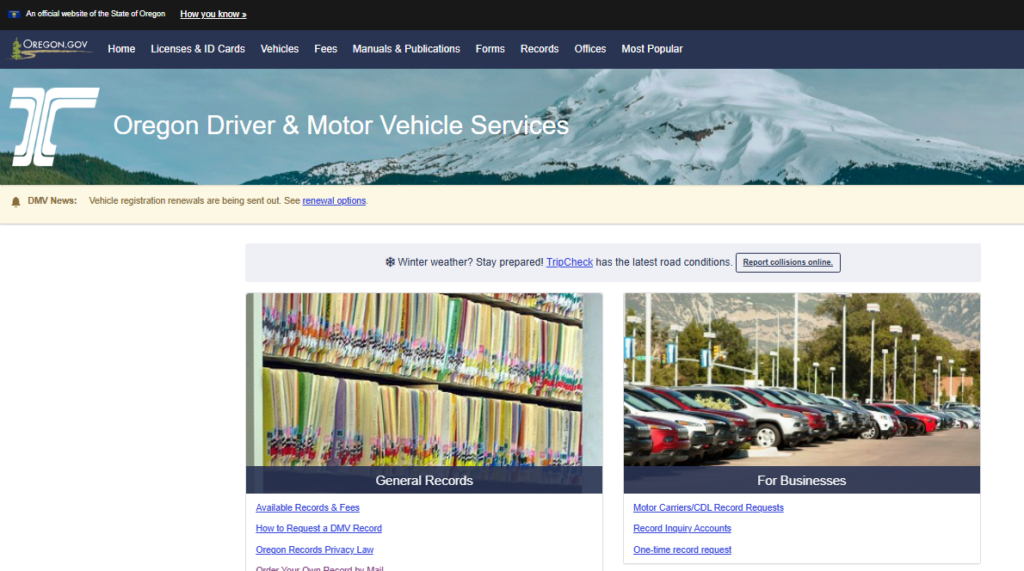
Obtaining these records directly from the DMV requires submitting forms and paying small fees. Fees may vary depending on the record type and whether the request is online, by mail, or in person. Third-party services, on the other hand, compile DMV data along with accident history, odometer readings, recalls, and NMVTIS information to create a comprehensive car history report.
Key differences:
| Feature | Oregon DMV Records | Third-Party Reports |
|---|---|---|
| Title records | ✅ | ✅ |
| Ownership timeline | ✅ | ✅ |
| Accident history | ❌ (only reported if documented) | ✅ |
| Odometer readings | ✅ | ✅ |
| Recalls | ❌ | ✅ |
| Theft & salvage checks | ❌ | ✅ (via NMVTIS) |
Steps: How to Obtain Oregon Records
Oregon residents can request vehicle records through three main methods:
- Online:
- Submit a request through the Oregon DMV website.
- Pay applicable fees using a credit card.
- Receive information electronically or by mail.
- Mail:
- Complete Form 735-331 (Request for Motor Vehicle Records).
- Include payment by check or money order.
- Mail to the DMV address listed on the form.
- In-Person:
- Visit a local Oregon DMV office.
- Bring a government-issued ID and payment for fees.
- Receive copies of vehicle records immediately in most cases.
Data provided may include:
- Vehicle make, model, year, and VIN
- Title history, including Oregon branding
- Past registrations and prior owner information
- Mileage records and potential odometer discrepancies
Each method ensures official documentation is obtained, but the DMV focuses on legal ownership and registration details rather than comprehensive accident or repair history.
Using NMVTIS & Free Checks
The National Motor Vehicle Title Information System (NMVTIS) is a government-supported database that collects vehicle title, branding, and theft information from all U.S. states, including Oregon. It is often integrated into third-party services to provide a more complete car history report.
Free tools also help verify key details:
- NICB VINCheck: Provides free checks for theft and salvage records in the U.S.
- VIN Lookup Services: Some websites allow limited free searches for Oregon vehicles, showing title history and branding.
Combining NMVTIS data with DMV records and commercial car history reports gives Oregon residents a clearer understanding of a vehicle’s past. Users can check accident history, title records, ownership timeline, recalls, and salvage information, which is especially valuable when buying used cars.
Why Oregon Drivers & Buyers Should Run a VIN Lookup First
Running a VIN lookup before buying a car in Oregon helps buyers avoid costly mistakes and identify potential fraud. Skipping this step can lead to purchasing a vehicle with hidden accidents, title issues, or inaccurate mileage. A VIN lookup provides a clear record of a car’s past. By entering the vehicle identification number (VIN), buyers can access key details such as ownership history, accident reports, odometer readings, and title records. This information allows drivers to make informed decisions and avoid vehicles with hidden problems. In Oregon, where vehicle history can vary widely, verifying a car’s background is especially critical for both new and used cars.
Preventing Fraud and Hidden Risks
Many vehicles have undisclosed damage or altered titles. Common risks include:
- Title fraud: Selling a car with a forged or tampered title.
- Salvage or rebuilt titles: Vehicles previously damaged may not perform safely.
- Odometer discrepancies: Inaccurate mileage can affect value and reliability.
- Unreported accidents: Hidden collision history can lead to unexpected repairs.
Using a VIN lookup helps buyers spot these issues before purchase. For example, if a vehicle shows multiple owners in a short period, it could indicate repeated problems or repairs. Similarly, accident history flagged in a report can alert buyers to inspect the car carefully or reconsider the purchase.
Red Flags in Vehicle History Reports
When reviewing a report, some signs suggest caution:
- Conflicting title records across different reports.
- Major repairs or structural damage were not disclosed by the seller.
- Gaps in ownership history or sudden mileage drops.
- Recalls that were not addressed or repaired.
Buyers in Oregon can use official sources like DMV records, NMVTIS, and trusted third-party reports to verify this information. A thorough VIN lookup reduces the likelihood of buying a vehicle with hidden defects or legal complications.
Avoid Vehicle History Report Scams
Vehicle history report scams are common and can cost buyers thousands of dollars. Using reliable sources, like official Oregon DMV records or NMVTIS-approved services, helps ensure accurate information. Fraudulent websites often promise “complete car history reports” at low prices but deliver inaccurate or incomplete data. These scams can hide major issues such as undisclosed accidents, odometer fraud, or salvage titles. Buyers relying on false reports risk purchasing unsafe or overvalued vehicles.
To protect themselves, vehicle buyers should focus on verified sources. NMVTIS-approved services and official Oregon DMV records provide accurate information on title history, accidents, ownership transfers, and odometer readings. When performing a VIN lookup, check that the provider explicitly mentions NMVTIS compliance or government verification.
Frequently Asked Questions About Vehicle History
If you’re buying or selling a car in Oregon, understanding a vehicle’s past is essential. Vehicle history reports provide key information like title records, accident history, ownership timeline, and recalls. Below are some common questions about obtaining and using these reports to make confident automotive decisions.
What is a vehicle history report?
A vehicle history report is a detailed record of a car’s past, including title records, accident history, ownership timeline, odometer readings, and recall information. In Oregon, these reports help buyers and sellers make informed decisions and avoid vehicles with hidden problems. A complete report can highlight issues like previous accidents, salvage titles, or lemon law buybacks. Using a vehicle history report reduces the risk of fraud and ensures confidence in your purchase.
How can I get a vehicle history report in Oregon?
In Oregon, you can obtain a vehicle history report from official DMV records, third-party services, or NMVTIS-approved providers. You’ll need the vehicle’s VIN to search for title records, accident history, and ownership timeline. Some DMV records may require a small fee or form submission. Third-party providers often combine this information into a single car history report for convenience. Always use trusted sources to ensure accurate data.
What information does a car history report include?
A car history report typically includes title records, accident history, ownership timeline, odometer readings, and recall notices. It may also show any liens, theft reports, or salvage branding. This information gives a full picture of the vehicle’s past and helps identify hidden issues before buying or selling. In Oregon, a vehicle history report is essential for making smart automotive decisions. Using this data protects you from unexpected costs and unsafe vehicles.
Are vehicle history reports in Oregon free?
Some basic information, like VIN checks for theft or salvage history, is available for free through NMVTIS or NICB VINCheck. However, detailed Oregon DMV records, including title history and previous owners, usually involve a small fee. Third-party providers may charge a one-time fee for a comprehensive car history report. Always verify that you’re using official or trusted sources to avoid inaccurate or incomplete information.
How reliable are vehicle history reports?
Vehicle history reports are generally reliable, but their accuracy depends on the data sources. Reports that pull information from the Oregon DMV, NMVTIS, and insurance databases provide the most complete picture. Minor accidents or unreported repairs may not appear in every report. For maximum safety, check multiple sources, including VIN lookups and official Oregon DMV records. Using a reliable vehicle history report helps avoid fraud and ensures informed buying decisions.