
An Oregon license plate is the official vehicle identification plate issued by the Oregon DMV for all registered vehicles in the state. It confirms a vehicle’s registration status and links it to Oregon’s DMV records for lawful operation on public roads. Each plate features a unique combination of letters and numbers, serving as a legal identifier for the vehicle. Plates also indicate the vehicle category, such as passenger, commercial, or motorcycle. The Oregon DMV maintains detailed records connected to each plate, which law enforcement, parking authorities, and toll operators rely on. Displaying a valid plate ensures compliance with state regulations and prevents penalties or impoundment. Oregon also allows specialty and personalized plates, providing options while retaining legal functionality.
An Oregon License Plate is a critical part of the state plate system, ensuring vehicles are properly registered, tracked, and legally recognized. It connects directly to DMV databases, verifying ownership, renewal status, and registration fees. Officers use plates to enforce traffic laws, monitor road safety, and confirm insurance coverage. For residents, plates provide proof of lawful vehicle operation and assist in vehicle transfers or sales. All Oregon-issued plates function as standardized vehicle identification plates, regardless of design or specialty. Understanding the plate’s role helps vehicle owners maintain compliance, avoid fines, and stay aligned with Oregon DMV requirements.
What Is an Oregon License Plate?
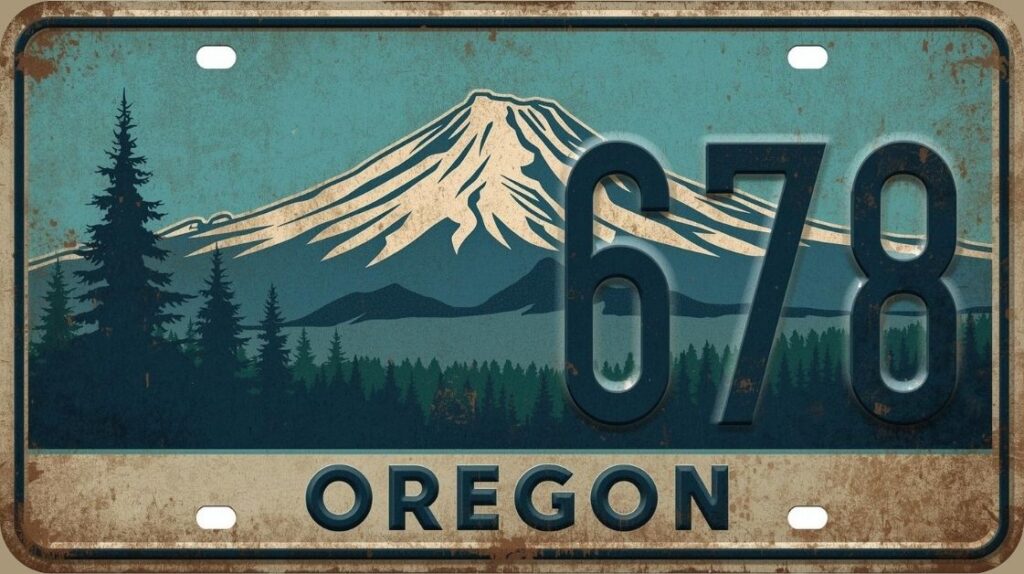
An Oregon license plate is a DMV-issued metal plate attached to a vehicle to show legal registration. It works as a visible registration identifier that links the vehicle to official state records. An Oregon vehicle license plate serves as a standardized vehicle identification plate. The Oregon DMV issues these plates in a fixed size, with reflective material, embossed or printed characters, and a unique alphanumeric plate number. Most plates display the state name, a design theme, and a registration year indicator. Passenger vehicles, trucks, trailers, and specialty vehicles each receive plate styles that fit their category.
Physical Design and Plate Number Purpose
Each DMV-issued plate includes a distinct plate number. This number ties the vehicle to its registration file, owner details, and compliance status. Law enforcement and toll systems rely on this number for quick verification.
Common physical features include:
- Durable aluminum construction
- Reflective background for night visibility
- Unique plate number format set by the Oregon DMV
- Optional specialty designs that support causes or groups
The plate number stays with the vehicle record, even if ownership changes. This structure supports consistent tracking across renewals and title updates.
Relationship to Vehicle Registration and Stickers
The Oregon license plate works together with vehicle registration. Registration confirms the vehicle meets state rules, then the DMV issues or renews the plate record.
A clear distinction exists between the plate and the registration sticker:
- License plate: Identifies the vehicle through its assigned number
- Registration sticker: Shows the current validity period
The sticker attaches to the plate and displays the expiration month and year. A valid plate without a current sticker signals expired registration. Both items must appear correctly mounted to meet Oregon road requirements.
Oregon License Plate Search: How to Find Vehicle Info
If someone needs information linked to an Oregon license plate, the process must follow state law and DMV rules. License plates are connected to vehicle registration records, and only authorized individuals can access owner details legally.
How to Search an Oregon License Plate
The correct method for searching an Oregon license plate starts with understanding legal restrictions. Unauthorized searches are illegal and may result in fines. The main lawful approaches include:
- Official DMV Requests: The Oregon DMV handles all legal plate information requests. Only verified purposes, like insurance verification or law enforcement, are accepted.
- VIN-Based Checks: Using a Vehicle Identification Number (VIN) along with a license plate helps authorized users confirm registration and vehicle history.
- Compliance with Public Records Law: Requests must follow Oregon Public Records Law, protecting vehicle owner privacy.
Where to View Plate Information
There are three main ways to view or verify Oregon license plate information: online, in person, or using the VIN. Each option has different access rules, speed, and costs.
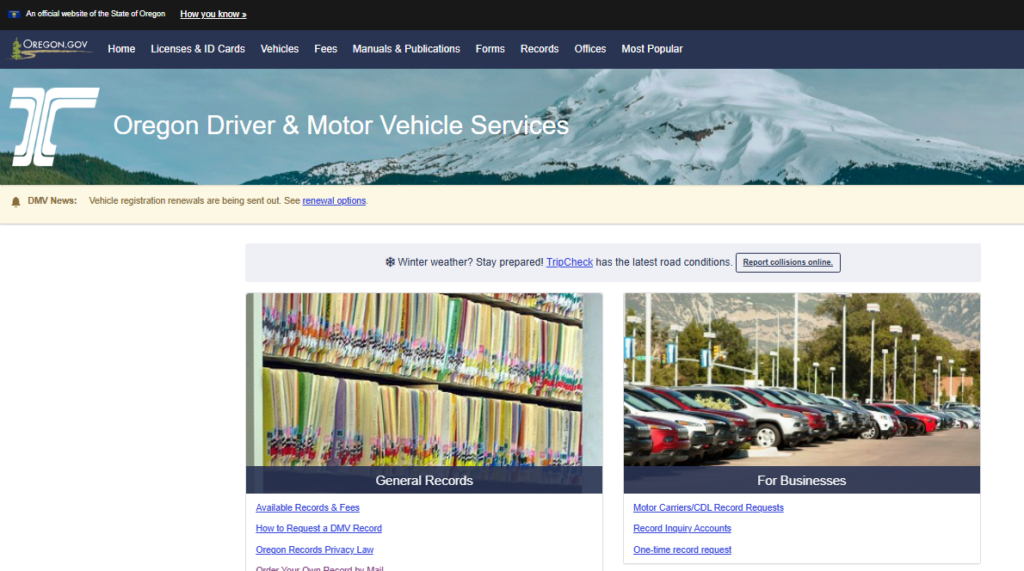
Online DMV Portal
The official Oregon DMV plate lookup service provides limited vehicle details. Full owner information is restricted to authorized users.
- Available Info: Vehicle make, model, registration status
- Access: Must have a lawful purpose
- Cost: $5–$10 per request
- Official Link: https://www.oregon.gov/odot/dmv/pages/records/index.aspx
In-Person at DMV Office
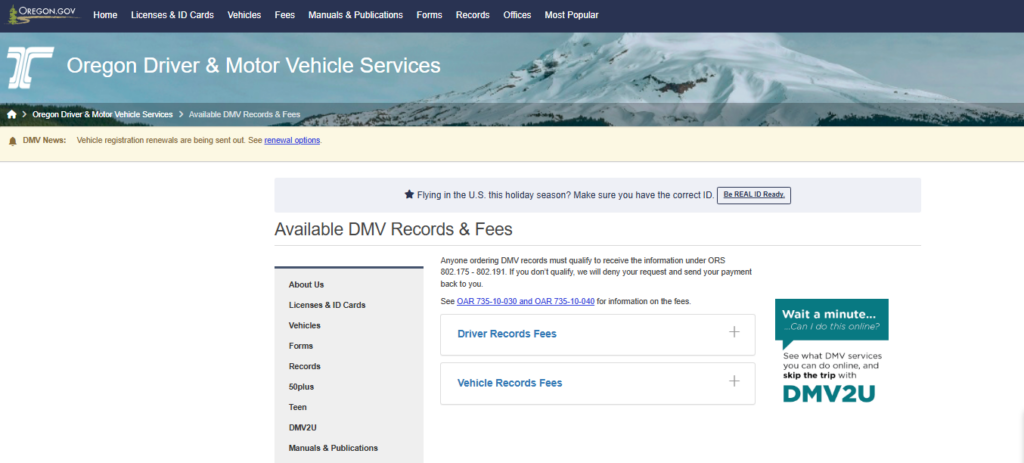
Some details, especially owner information, can only be obtained by visiting a DMV office.
- Available Info: Full vehicle records, registration verification
- Access: Photo ID and completed request form required
- Cost: $10–$15 per request
- Processing Time: 2–5 business days
- Official Link: https://www.oregon.gov/odot/dmv/pages/records/available.aspx
VIN-Based Search
Authorized parties can use the VIN to verify plate info and registration history.
- Available Info: Registration confirmation, plate history, vehicle details
- Access: Lawful purpose only, submitted via official channels
- Cost: $5–$20 depending on service
- Official Link: https://www.oregon.gov/ODOT/DMV/pages/records/recinquiry_daveaccts.aspx

Oregon License Plate System Explained
Oregon car plates are issued by the state to uniquely identify vehicles, ensuring proper registration and legal compliance. The state plate system assigns numbers and designs following a consistent process managed by the DMV. The Oregon license plate system organizes vehicle registration in a way that is straightforward yet secure. Every plate begins its lifecycle when a vehicle is registered with the DMV, which handles plate assignment and tracks the registration cycle. Each plate has a unique combination of letters and numbers that does not follow a predictable pattern, reducing the risk of duplication or fraud.
How Plates Are Assigned
When a vehicle is registered, the DMV plate assignment process issues an available plate based on the current series. The system prioritizes unissued numbers, and each plate becomes a permanent identifier for the vehicle until it is replaced. This assignment ensures that no two active vehicles share the same Oregon car plate.
Key points about plate issuance:
- Plates are tied to the vehicle, not the owner.
- Standard plates follow a numerical sequence, but the logic is non-predictive, preventing easy guessing.
- Specialty and personalized plates are available for additional fees, with unique numbering handled separately.
Plate Numbering Logic and Lifecycle
Oregon’s plate numbers follow a series managed by the DMV but are intentionally randomized within the assigned range. This system balances efficiency with security. Plates go through a lifecycle that includes:
- Issuance: Plate is generated and attached to the vehicle.
- Active Registration: Plate remains valid during yearly or biennial registration cycles.
- Renewal or Replacement: Plates may be replaced due to expiration, damage, or the owner’s request.
- Retirement: Old plates are decommissioned and removed from circulation.
This cycle ensures accurate vehicle identification across the state while keeping the system organized.
Are License Plates Public Records in Oregon?
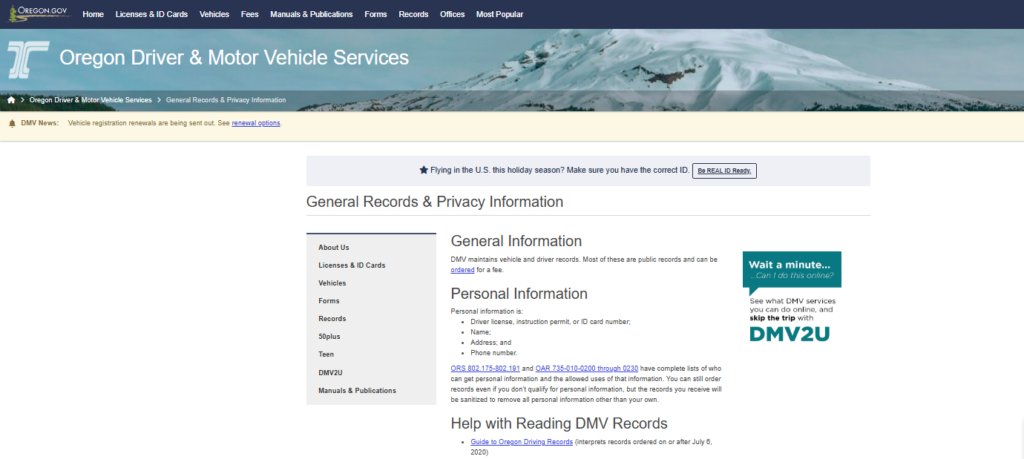
Yes, Oregon license plates are considered public records, but the information tied to the plate owner is protected. Only limited details about the vehicle itself can be accessed by the general public. Oregon law differentiates between vehicle information and https://www.oregon.gov/odot/dmv/pages/records/general_info.aspx for drivers personal owner data. While the Oregon DMV maintains registration records, owner names, addresses, and other personal details are not openly available. This protection aligns with the Oregon Public Records Law and strict DMV privacy rules, ensuring personal data protection.
What Information Is Public vs Restricted?
Anyone can confirm certain vehicle facts using an Oregon license plate lookup, such as:
- Vehicle make, model, and year
- Registration status
- Plate type or specialty plate designation
However, owner identity, contact information, and detailed registration history remain restricted. This distinction prevents misuse of personal data and protects citizens from identity theft, harassment, or fraud.
Who Can Access Owner Data?
Only specific parties may legally access full plate and owner information, including:
- Law enforcement agencies for investigations or traffic enforcement
- Government agencies for official duties, like taxation or vehicle compliance
- Authorized businesses under strict legal conditions, such as insurance verification
Anyone else attempting to access owner data without permission could face legal penalties under Oregon law.
Why Owner Data Is Protected
The state prioritizes privacy to safeguard citizens. Public access is limited to vehicle characteristics, while sensitive owner information stays private. This balance allows the public to check vehicle legitimacy while respecting personal data protection requirements. By understanding these rules, Oregon residents and businesses can use license plate information responsibly, ensuring legal compliance while verifying vehicle-related details.
Can You Look Up an Oregon License Plate?
Yes, an Oregon license plate can be looked up, but only under specific, lawful circumstances. The Oregon DMV limits access to certain plate information to protect privacy and prevent misuse. In Oregon, an Oregon license plate lookup is not open to the general public. Individuals cannot freely search a plate to find a vehicle owner’s personal details. Access is restricted to authorized parties, such as law enforcement, certain government agencies, and individuals with a legitimate reason under state law. This ensures that sensitive information, like the owner’s name and address, remains protected.
How an Oregon Plate Search Works
Those eligible for a DMV records request must apply through official channels. The DMV reviews each request to confirm lawful access. Common lawful purposes include:
- Legal investigations by police or prosecutors
- Insurance claims verification
- Vehicle history checks for buying or selling purposes
- Court-ordered matters
Information that may be available through an authorized lookup typically includes the vehicle’s registration status, make, model, year, and sometimes the owner’s name and address. Publicly accessible data is limited to general details like license plate type and vehicle class, but personal contact details remain restricted.
Distinguishing Public and Restricted Information
It’s important to recognize the difference between publicly available plate data and restricted DMV records:
| Type of Data | Accessibility | Example |
|---|---|---|
| Public Info | Anyone can view | Vehicle type, registration year, plate design |
| Restricted Info | Authorized parties only | Owner name, address, VIN linked to a plate |
Attempting an unauthorized Oregon plate search could result in legal penalties under the state’s privacy laws. Tools advertised online claiming to provide owner information without authorization are often illegal or inaccurate.
How to Get a License Plate in Oregon
Getting a license plate in Oregon begins https://www.oregon.gov/odot/dmv/pages/vehicle/plates.aspx with registering your vehicle through the DMV. The process involves providing proof of ownership, submitting required documents, and choosing how to receive your plate—either in person or by mail. Registering an Oregon license plate is straightforward if you follow the state’s step-by-step process. First-time vehicle owners must complete Oregon license plate registration through the DMV, ensuring all documents are accurate and fees are paid. The DMV issues plates for passenger vehicles, motorcycles, and commercial vehicles, and temporary plates are available while official plates are processed.
First-Time Registration and Required Documents
For first-time registration, the DMV requires several key documents:
- Proof of Ownership: Typically, a vehicle title or manufacturer’s certificate of origin.
- Oregon Driver’s License or ID: Needed for identity verification.
- Odometer Disclosure: For vehicles under 10 years old.
- Proof of Insurance: Coverage must meet Oregon’s minimum requirements.
- Payment for Fees: Registration fees vary based on vehicle type and weight.
Once all documents are ready, applicants can choose between in-person registration at a DMV office or submitting forms by mail. In-person visits may include a vehicle inspection for certain types of vehicles, while mail registration is suitable for renewals or straightforward first-time registration.
Steps Plate Issuance Process
The Oregon DMV follows a clear process for issuing license plates: https://www.oregon.gov/odot/DMV/docs/Oregon_DMV_Offices_Checklist.pdf.
- Complete the Registration Form: Fill out the Vehicle Registration Application (Form 735-226).

- Submit Documents: Include proof of ownership, insurance, and any additional required paperwork.
- Pay Registration Fees: Fees depend on vehicle type and license plate style.
- Receive Temporary Plates: If registering in person, temporary plates are issued immediately.
- Official Plate Issuance: The DMV mails the permanent Oregon license plate, usually within 2–3 weeks.
This process ensures every vehicle is legally registered and ready for use on Oregon roads. Temporary plates allow the vehicle to be driven legally while waiting for the official plate.
In-Person vs. Mail Registration
Choosing between in-person and mail registration depends on convenience and urgency:
| Method | Benefits | Considerations |
|---|---|---|
| In-Person | Immediate temporary plates, faster processing | DMV wait times may apply |
| By Mail | Can be completed from home, avoiding travel | May take longer for plate delivery |
Where to Get an Oregon License Plate
Oregon license plates can be obtained directly from a local Oregon DMV license plate https://dmv2u.oregon.gov/eServices/_/ office or through a mail-in registration process. Both options provide a convenient way to register vehicles and receive plates quickly. Vehicle owners can visit any DMV office in Oregon, including popular locations like the Salem DMV, to complete registration and pick up their plates in person. These offices handle plate issuance, title transfers, and vehicle registration renewals, offering multiple DMV office options throughout the state. Walk-ins are often accepted, but booking an appointment can reduce wait times.
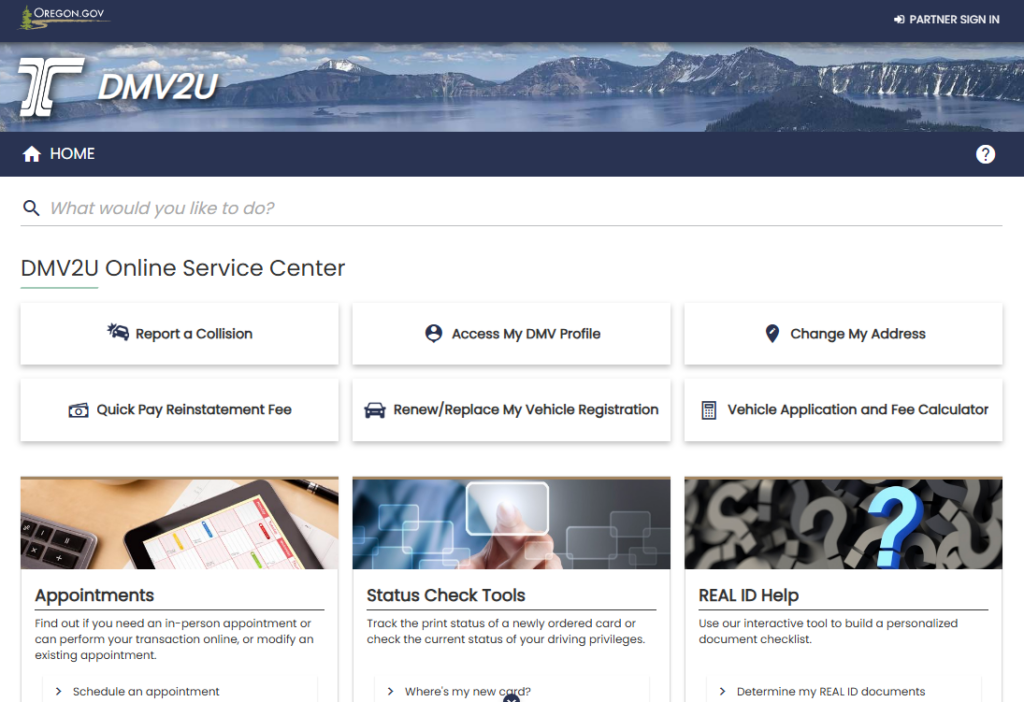
For those who prefer not to visit a DMV office, Oregon offers a mail-in registration process. Vehicle owners can submit their forms, payment, and supporting documents by mail. Once processed, plates are sent to the registered address. This mailing process is handled through several processing locations, ensuring that plates are delivered safely and efficiently.
Tips for obtaining Oregon license plates:
- In-person pickup: Visit any DMV office for immediate issuance.
- Mail-in registration: Complete forms online or by mail for home delivery.
- Processing times: Expect 1–3 weeks for mail-in plates, depending on location.
- Required documents: Proof of vehicle ownership, ID, and payment for fees.
Whether visiting the DMV or using the mailing service, Oregon ensures multiple options to make vehicle registration and plate collection straightforward and accessible.
Oregon License Plate Fees & Costs
Oregon license plate costs vary depending on the type of plate and the length of registration. Standard plates typically cost less, while specialty plates come with an additional surcharge. Oregon vehicle registration operates on a two-year cycle, and fees include both the standard plate cost and any applicable surcharges for special designs. For most passenger vehicles, the standard plate fee starts at around $66 for two years, but this can increase based on vehicle weight and other factors. Specialty plates, such as personalized or commemorative designs, usually carry a one-time surcharge between $40 and $50, added to the base registration fee.
Standard vs. Specialty Plate Pricing
Standard Oregon license plates cover basic registration and identification requirements. Specialty plates allow for custom designs, supporting causes, universities, or organizations. Pricing differs as follows:
| Plate Type | Two-Year Registration Cost | Notes |
|---|---|---|
| Standard | $66–$99 | Based on vehicle weight |
| Personalized | $50 surcharge + standard fees | Custom letters/numbers |
| Commemorative / Special Interest | $40–$50 surcharge + standard fees | Supports charities or causes |
This structure makes it clear that choosing a specialty plate increases the overall registration cost. Vehicle owners can check the Oregon DMV website for a full list of specialty plates and their specific fees.
Renewal and Replacement Costs
Oregon plates are renewed every two years, and renewal costs typically mirror the initial registration fees. Specialty plate holders will pay the base renewal fee plus any ongoing surcharges if applicable. Lost or damaged plates require replacement, with standard replacement plates costing around $50, and personalized or specialty replacements slightly higher, depending on design. Keeping track of these costs ensures vehicle owners can budget for registration, renewal, and replacement without surprises. The DMV also allows online payments, making fee management more convenient.
How Long Does It Take to Get License Plates in Oregon?
Getting new license plates in Oregon usually takes 2 to 6 weeks, depending on whether the plates are standard or personalized. Temporary permits are issued immediately, allowing vehicle use while waiting for permanent plates. The Oregon License Plate processing time varies based on several factors. Standard plates are typically mailed within 2 to 4 weeks after registration, while personalized or specialty plates may take up to 6 weeks. When a vehicle is newly registered, the DMV provides a temporary permit that is valid for 30 days. This ensures drivers can legally operate their vehicles while the permanent plates are being processed.
Factors Affecting Plate Delivery
Several factors influence the timeline for receiving Oregon plates:
- Type of plate: Personalized and specialty plates require extra processing, adding 2–3 weeks.
- Mailing timeline: Plates are sent via USPS, so delivery speed can vary based on location.
- Registration completeness: Missing documents or registration errors can delay DMV processing.
Tips for Tracking Your Plates
Drivers can monitor the status of their plates by checking with the Oregon DMV. Keeping registration documents ready and confirming the mailing address can reduce delays. If the plates do not arrive within the expected window, contacting the DMV can help clarify the situation.
Quick reference table:
| Plate Type | Processing Time | Notes |
|---|---|---|
| Standard | 2–4 weeks | Shipped by mail |
| Personalized/Specialty | 4–6 weeks | Requires custom printing |
| Temporary Permit | Immediate | Valid 30 days while waiting |
Using the temporary permit properly ensures compliance with Oregon driving laws, while planning for mailing delays can prevent frustration. The DMV’s processing system is designed to balance efficiency with accuracy, making the waiting period predictable in most cases.
Types of License Plates in Oregon
Oregon offers multiple license plate options based on vehicle use, eligibility, and personal preference. These include standard Oregon license plates, specialty and charity plates, personalized plates, and plates for disabled or antique vehicles. Each Oregon car plate type follows state DMV rules for display, fees, and renewal. The right choice depends on how the vehicle is used and what the driver qualifies for.
Standard Oregon License Plates
Standard Oregon license plates cover most passenger vehicles registered in the state. These plates feature a simple design with a unique letter-number format and remain the default option for cars, SUVs, and light trucks. Drivers usually receive this Oregon car plate at first registration, and renewals follow a regular two-year cycle with lower fees than other plate types, which makes this option practical for daily driving.
Specialty and Charity License Plates
Specialty plates allow drivers to show support for causes, organizations, or shared interests. These Oregon license plates display custom graphics linked to education, wildlife, military service, cultural programs, or environmental efforts. A portion of the plate fee supports the selected cause, giving these plates community value along with visual appeal, though costs remain higher than standard plates.
Personalized Oregon Car Plates
Personalized plates give drivers the chance to request custom letters and numbers. These Oregon license plates create a distinct look, subject to availability and content review by the state. Character limits vary by plate style, and extra fees apply at both issuance and renewal, which makes this option popular with drivers who want a more personal vehicle identity.
Disabled and Antique License Plates
Disabled plates support drivers with qualifying mobility conditions and allow approved parking benefits when used properly. These Oregon license plates require medical certification during application and must follow display rules closely. Antique plates apply to older vehicles, often over 25 years old, and suit classic cars used for exhibitions or limited driving rather than regular travel.
Vehicles That Require License Plates in Oregon
Most vehicles driven on public roads in Oregon must display valid license plates. Oregon plate rules explain which vehicles need front and rear plates and which qualify for a single plate. Oregon law connects license plates with vehicle registration and road safety. Passenger vehicles, trucks, and SUVs registered for road use usually need front and rear plates. This setup helps law enforcement identify vehicles from both directions during traffic stops or investigations. Plates must stay visible, readable, and securely fastened at all times. Any vehicle that operates on city streets, highways, or county roads falls under these ORS requirements. Registration stickers alone do not replace plates. A registered vehicle without the correct plates may face citations or fines.
Vehicles that typically require two plates include:
- Passenger cars used for daily driving
- Pickup trucks and vans within standard weight limits
- Commercial vehicles operating inside Oregon
- Fleet vehicles owned by companies or agencies
Plates cannot be covered, bent, or altered. Dirty or obstructed plates may still count as a violation.
Single Plate Vehicles and Oregon Exceptions
Oregon plate rules allow single plate vehicles in limited cases. These vehicles display one rear plate only. Each exception follows clear ORS requirements tied to vehicle design or purpose.
Vehicles that usually qualify for one plate include:
- Motorcycles and mopeds
- Utility, cargo, and travel trailers
- Antique or special-interest vehicles
- Campers and certain heavy equipment
Temporary permits may replace plates for short periods after a purchase. These permits must be displayed clearly in the rear window or assigned location.
Oregon License Plate Laws & Regulations
Oregon license plate laws set clear rules for how plates must be issued, displayed, and kept visible on registered vehicles. These rules, found mainly in ORS 803, focus on proper display, valid registration, and basic compliance requirements.
Core Oregon License Plate Laws Under ORS 803
Oregon license plate laws come from ORS 803, which covers plate issuance, use, and display across the state. Most passenger vehicles must carry two plates, one on the front and one on the rear. Some vehicles qualify for single plate vehicles, based on body type or registration class. ORS 803 requires plates to stay readable at all times. Plates must stay clean, securely fastened, and free from covers or frames that block numbers, letters, or stickers. Plates must remain horizontal and mounted in the designed bracket area. Temporary permits follow similar visibility rules during short-term use.
Key compliance requirements include:
- Plates issued by the Oregon DMV only
- Current registration stickers are attached to the correct plate
- No altered, bent, or obscured characters
- No unauthorized plate frames or tinted covers
Failure to comply with these rules may result in traffic stops, citations, or registration issues. Law enforcement relies on clear plates for identification during routine checks and traffic enforcement.
Plate Display Rules and Compliance Requirements
Plate display rules apply every time the vehicle operates on public roads. Rear plates must show the registration month and year sticker. Stickers must stay legible and placed in the assigned corner. Front plates must match the rear plate style and number. Oregon law bars using another vehicle’s plate or expired plates. Plates must match the vehicle record tied to the VIN. Replacement plates are requiredin the event of theft, damage, or loss.
Common violations include:
- Missing front or rear plates
- Expired registration stickers
- Plates blocked by bike racks or cargo
- Decorative covers that reduce visibility
Penalties vary by violation type and location. Some stops lead to warnings, though repeat offenses may trigger fines. Staying within Oregon plate rules supports lawful driving and avoids preventable issues during traffic stops.
Penalties for Missing or Improper License Plates
Driving without proper plates in Oregon can lead to traffic citations, fines, and vehicle stops. Law enforcement treats missing, expired, or incorrectly displayed plates as a clear traffic violation. Oregon law requires vehicles to display valid license plates at all times. When plates are missing, damaged, covered, or placed incorrectly, officers may stop the vehicle during routine enforcement checks. Driving without a license plate, Oregon rules apply to both front and rear plates on most passenger vehicles, with limited exceptions.
Common Plate-Related Violations and Consequences
Improper plates often trigger penalties that grow with repeated offenses. Drivers face different outcomes based on the issue and prior record.
Frequent plate violations include:
- Missing front or rear plate
- Expired registration stickers
- Plates blocked by frames, dirt, or covers
- Using plates assigned to another vehicle
Fines vary by county and court, though many citations start around $100–$300. A fix-it ticket may apply in some cases, letting the driver correct the issue and show proof to reduce costs. Repeated traffic violations may raise insurance rates and create court records.
License Plate Renewal, Replacement & Updates
Oregon drivers can renew license plates on a set schedule and request replacements for lost or damaged plates through the state DMV. Updates follow clear Oregon plate rules and rely on a renewal notice or current vehicle records. Renewing or replacing an Oregon plate keeps a vehicle compliant with ORS requirements. The process stays simple when drivers know timelines, fees, and required documents.
How to Renew License Plate Registration in Oregon
Plate renewal in Oregon follows a two-year cycle for most passenger vehicles. The DMV sends a renewal notice by mail before the expiration date, which lists fees and available options. Renewal can be completed online, by mail, or in person, based on driver preference. https://www.oregon.gov/odot/dmv/pages/vehicle/plates.aspx
Key points drivers should know:
- Renew license plate, Oregon options include standard and specialty plates
- Registration ties to the vehicle, not the owner
- Late renewal may lead to citations during traffic stops
Typical renewal steps include:
- Review the renewal notice for accuracy
- Pay the listed registration fee
- Receive updated registration stickers by mail
Single plate vehicles, trailers, and custom plates may follow different timelines. Checking the notice prevents delays and supports smooth DMV processing.
Replace Oregon License Plate After Loss or Damage
A replacement Oregon license plate request applies when a plate is lost, stolen, faded, or bent. https://www.oregon.gov/odot/DMV/Pages/index.aspx Oregon law requires readable plates at all times, so damaged plate replacement should occur quickly.
Replacement situations include:
- Lost plate after theft or road damage
- Damaged plate with peeling paint or unreadable numbers
- Plate defects were reported during a traffic stop
Replacement requests require:
- Completed DMV plate application
- Current vehicle registration
- Replacement fee, based on plate type
Standard plates often ship by mail within a few weeks. Specialty or custom plates may take longer. During this period, valid registration protects the driver during routine checks.
Updating Plate Information After Vehicle Changes
Plate updates may apply after a vehicle sale, transfer, or classification change. Oregon DMV records must match current ownership and vehicle status.
Common updates include:
- Vehicle sale or transfer notice
- Change from standard to specialty plate
- Correction of plate or registration errors
Keeping records current reduces renewal issues and supports accurate DMV files. Following these steps helps drivers stay compliant with Oregon plate rules and avoid unnecessary penalties.
License Plate History & Design Evolution in Oregon
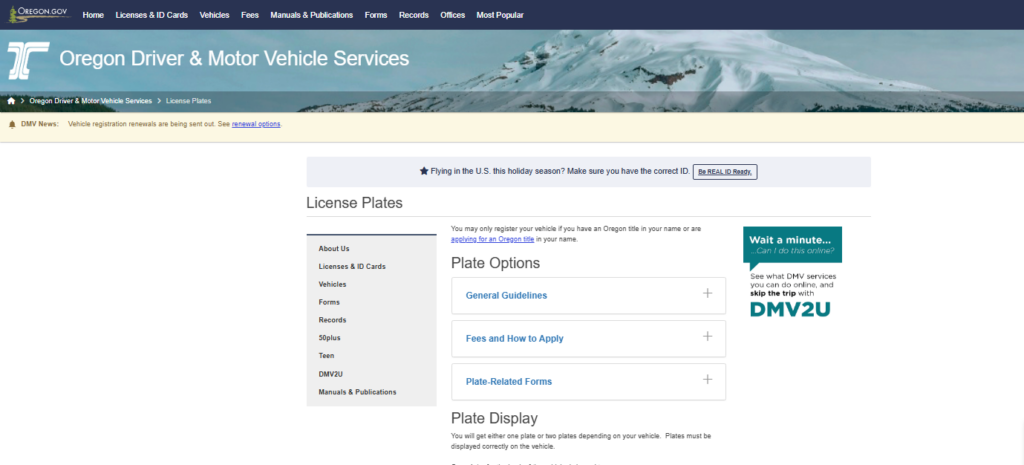
Oregon license plates reflect decades of change in state identity, materials, and visual style. Each design update highlights shifting priorities through plate design, slogans, and clear visual identifiers. Oregon began https://www.oregon.gov/odot/dmv/pages/vehicle/plates.aspx issuing state plates in the early 1900s, and designs have often to match new standards and public themes. These updates helped plates stay readable, durable, and easy to recognize on the road.
Early Oregon License Plate History and Visual Changes
Early plates used simple colors and stamped numbers, with little decoration. At that time, the goal focused on visibility and basic vehicle tracking. As vehicle use grew, the state introduced stronger metals, reflective surfaces, and cleaner layouts. By the mid-20th century, Oregon added clearer fonts and contrasting colors. These changes improved night visibility and law enforcement recognition. Later designs introduced slogans and scenic elements to reflect state pride.
Common historical design elements included:
- Solid background colors with embossed numbers
- County or year markers on early issues
- Reflective coatings for safer nighttime driving
- Updated fonts for better legibility
These steps helped plates serve both functional and visual roles.
Modern Plate Design, Slogans, and Identifiers
Modern Oregon plates balance function with branding. The current standard plate features the iconic tree and mountain graphic, which acts as a strong visual identifier. This design connects vehicles with Oregon’s natural image. Over time, slogans shifted to match public messaging. Some focused on tourism, others on state values. Specialty and commemorative plates later expanded these ideas with unique colors and symbols.
Key features seen on recent designs include:
- High-contrast color schemes
- Clear registration stickers
- Distinct background imagery
- Improved reflective materials
These updates help drivers, law enforcement, and automated systems read plates quickly. Oregon License Plate history shows steady progress through thoughtful design choices that blend clarity, durability, and state identity.
Oregon Vehicle Registration & Plate Statistics
Oregon issues millions of vehicle registrations each year, with license plates reflecting both standard and specialty designs. The state tracks registration volume and plate issuance statistics to manage vehicle records and transportation planning. Oregon’s vehicle registration system serves over 3 million active vehicles, including passenger cars, trucks, motorcycles, and commercial vehicles. Each year, the Oregon Department of Transportation (ODOT) reports the number of new registrations and plate reissuances, helping state officials monitor trends and resource needs. For example, recent data shows that standard plate registrations dominate, while specialty and personalized plates make up roughly 15% of annual issuance.
Registration Volume & Plate Issuance
The volume of registrations varies by county and vehicle type:
- Passenger vehicles: Account for the majority of Oregon registrations, approximately 2.1 million annually.
- Commercial trucks and trailers: Around 500,000 registrations each year.
- Motorcycles and mopeds: Close to 300,000 active registrations.
ODOT also tracks plate issuance statistics, which include new plates, renewals, transfers, and specialty designs. Specialty plates, such as environmental, university, and commemorative plates, have grown in popularity, reflecting Oregon drivers’ interests and causes. These statistics help the state identify trends, such as increasing vehicle ownership in urban areas or rising demand for customized plates. They also provide useful insights for policy planning, resource allocation, and ensuring smooth DMV operations across Oregon.
Key Takeaways:
| Metric | Annual Volume (Approx.) | Notes |
|---|---|---|
| Passenger vehicle registrations | 2.1 million | Most common type |
| Commercial vehicle registrations | 500,000 | Includes trucks & trailers |
| Motorcycle registrations | 300,000 | Includes mopeds & scooters |
| Specialty/Personalized plates | 15% of total | Rising demand each year |
Oregon DMV Locations & Contact Information
Getting an Oregon license plate requires visiting a DMV office in person, though renewals can often be completed online. Oregon has multiple DMV offices statewide, each offering services like plate issuance, registration, and replacements. Residents can obtain their plates at the Salem headquarters or other major offices in cities such as Portland, Eugene, Bend, and Medford. Each location provides essential DMV services, and contact information is available for planning visits or scheduling appointments.
Major Oregon DMV Offices
| City | Address | Phone Number | Office Hours | Services Available |
|---|---|---|---|---|
| Salem | 1905 Lana Ave NE, Salem, OR 97301 | (503) 945-5000 | Mon–Fri: 8:00 AM–5:00 PM | Plate issuance, vehicle registration, renewals, replacements |
| Portland | 1200 SE 122nd Ave, Portland, OR 97233 | (503) 299-9999 | Mon–Fri: 8:30 AM–5:00 PM | Plate issuance, registration, ID services, renewals |
| Eugene | 2885 Chad Dr, Eugene, OR 97408 | (541) 682-4166 | Mon–Fri: 8:30 AM–5:00 PM | Plate issuance, renewals, replacements, registration |
| Bend | 63070 O. B. Riley Rd, Bend, OR 97701 | (541) 388-6322 | Mon–Fri: 8:00 AM–5:00 PM | Registration, plate issuance, renewals, specialty plates |
| Medford | 1200 Biddle Rd, Medford, OR 97504 | (541) 776-6090 | Mon–Fri: 8:00 AM–5:00 PM | Vehicle registration, plate replacement, renewals, ID services |
How to Contact and Visit the DMV
Oregon DMV offices can be contacted by phone for information about services, documents needed, or wait times. Many locations also allow scheduling appointments online, which can reduce in-person wait times. For quick inquiries, the official DMV website provides office hours, addresses, and service availability by location.
FAQs About the Oregon License Plate
Oregon license plate rules often raise questions about privacy, online services, and legal use. The answers below explain how plates work, what information stays protected, and how the Oregon DMV handles plate records.
Can someone find your address from a license plate?
In Oregon, private individuals cannot legally find a driver’s home address using a license plate. License plates connect to motor vehicle records held by the DMV, which include names and addresses, but these details are protected under state and federal privacy laws. Only law enforcement, courts, certain government agencies, or insurance companies in specific situations can access this information. These protections are designed to prevent misuse and ensure driver privacy while maintaining accurate records.
Can you look up plates using a VIN?
Public searches that link a vehicle’s VIN to its license plate are not allowed in Oregon. VINs serve as unique identifiers for vehicles and are used by the DMV to confirm registration, title status, or theft reports. While anyone can access basic vehicle information through VIN checks, active plate numbers and owner details remain confidential. Only authorized entities, such as law enforcement, insurance companies, or DMV personnel, can view the connection between a VIN and its license plate.
Can you get Oregon license plates online?
The Oregon DMV provides online services that allow drivers to renew registration, order specialty plates, or request replacements, but the physical plates must still be issued and mailed by the state. When applying online, temporary permits may cover legal driving until the plates arrive. Online services streamline the process and reduce the need for in-person visits, but receiving the actual plates requires state processing and delivery.
How long are Oregon license plates valid?
Oregon license plates are valid as long as the vehicle’s registration is active. For most passenger vehicles, this is a two-year period, and expiration dates appear on the registration sticker. Drivers who fail to renew on time risk fines and traffic stops. Motorcycles and trailers may have slightly different terms depending on the type, but maintaining up-to-date registration ensures compliance with state law and accurate DMV records.
Are front license plates required in Oregon?
Most vehicles in Oregon must display both front and rear license plates. This requirement ensures proper identification for law enforcement and toll operations. Some vehicles, like certain trailers or specialty cars, may qualify for exceptions. Plates must be mounted correctly, displayed clearly, and accompanied by current stickers. Driving without the proper plates is considered a traffic violation and can lead to fines or citations.