Motorcycles in Oregon must have proper registration and a visible license plate to be legally operated on public roads. Each motorcycle receives one plate, mounted at the rear, and owners can choose from standard, special, or veteran designs. Motorcycle License Plates in Oregon serve as official identification, linking the bike to its owner and confirming compliance with state regulations. Following DMV requirements ensures riders avoid fines and maintain a safe, legal presence on the road. Plates also help law enforcement quickly verify registration and insurance status, making compliance essential for every rider. Proper placement and upkeep of the plate prevent unnecessary tickets or penalties.
Oregon riders can select from a variety of Oregon motorcycle plates and bike license plates that reflect personal preferences or affiliations, such as veteran status or special interests. Conducting an Oregon License Plate Search helps riders verify plate availability, confirm registration details, and ensure compliance with state requirements. Plates must follow size rules, be securely mounted, and remain unobstructed. Understanding proper motorcycle registration and motorcycle tagging is important for keeping the bike road-legal and avoiding complications during inspections. Special plates offer riders a way to support organizations or recognize achievements while meeting all legal requirements. Maintaining the plate in good condition ensures visibility and protects the rider from administrative issues, making the registration process smooth and efficient.
Eligibility for Motorcycle Plate Registration in Oregon
Motorcycles in Oregon must have a title in the owner’s name or be in the process of applying for one before registration. The Oregon DMV requires this proof to ensure legal ownership and accurate motorcycle registration. To register a motorcycle, the owner must provide an official Oregon title or apply for a new title. This step confirms that the individual is legally authorized to operate the vehicle on public roads. Without a proper title, the DMV cannot issue Oregon motorcycle plates, which are essential for legal operation.
In addition to proof of ownership, the DMV requires several supporting documents:
- Government-issued photo ID – a valid driver’s license or state ID to confirm identity.
- Proof of insurance – liability coverage must meet Oregon minimum requirements.
- Bill of sale or purchase agreement – especially if the motorcycle was recently bought from a dealer or private seller.
- Odometer disclosure statement – required for motorcycles under ten years old.
Applicants must ensure all documents are complete and accurate to avoid delays. The DMV may also request additional forms depending on the motorcycle type, such as antique or specially titled vehicles. The registration process is straightforward when all eligibility criteria are met. Owners receive a single motorcycle plate for the rear of the vehicle, complying with Oregon’s plate display rules. These requirements, ahead of time simplifies the motorcycle registration process and ensure the owner receives valid Oregon motorcycle plates without unnecessary visits to the DMV.
Types of Motorcycle Plates Available
Motorcycle owners in Oregon can choose from several plate types depending on their vehicle and personal preferences. Each type comes with specific rules for display, eligibility, and fees, helping riders remain compliant and select plates that meet their needs.
Standard Motorcycle Plates
Standard motorcycle plates serve as the default option for most Oregon motorcycles and follow the one-plate display rule, meaning a single plate is mounted on the rear of the bike. They comply with plate size rules set by the DMV, are easy to obtain during motorcycle registration, and must remain visible and unaltered. These plates provide a straightforward way to identify the motorcycle legally on the road while fulfilling all state requirements.
Special Background Plates
Oregon offers special plates that feature custom backgrounds for public bodies, non-profit organizations, and higher education institutions. These custom plates allow riders to show support for a cause, school, or organization while following standard motorcycle tagging requirements. To apply for a special plate, applicants submit the required forms and fees to the DMV. The plates retain all legal requirements for display, including the one-plate rule and proper mounting. Some plates may include logos or designs approved by the organization, making them both personal and compliant.
Highlights:
- Available for non-profits, universities, and public organizations
- Requires a DMV application for approval
- Maintains standard plate size and visibility requirements
Veteran Plates
Veteran plates are available to qualified Oregon veterans who provide proof of military service along with standard DMV registration forms. These plates follow the same one-plate display rules and size specifications as other motorcycles, offering a distinctive way to honor military service. Once approved, the DMV issues the plate for rear mounting, ensuring recognition by law enforcement while keeping the motorcycle fully compliant with Oregon motorcycle plate regulations.
Fees and How to Apply for Motorcycle Plates
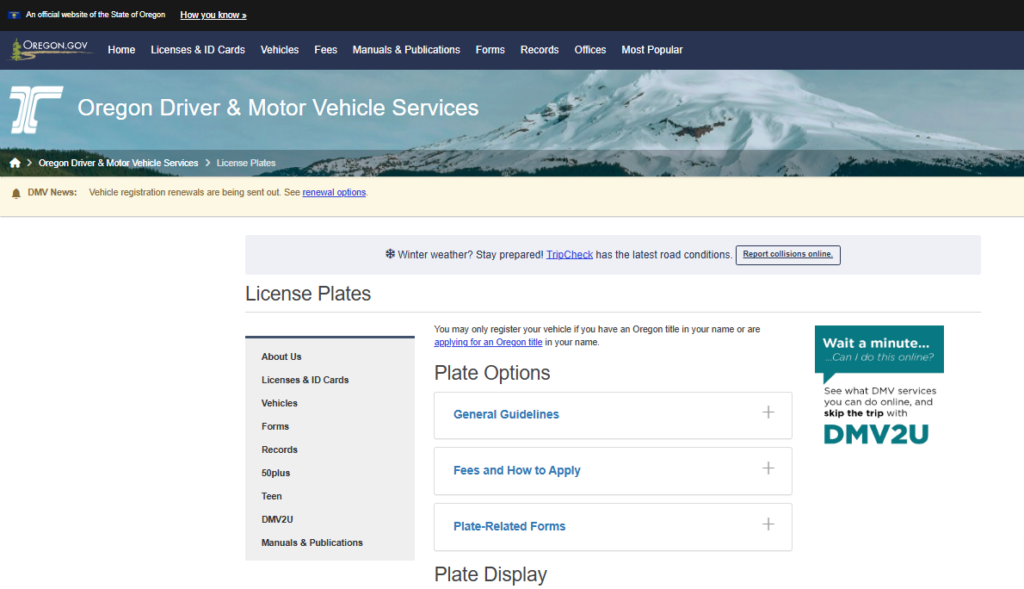
Motorcycle registration in Oregon requires paying the appropriate title and registration fees, which vary depending on the bike’s weight and the type of plate selected. Applicants can handle the process in person, by mail, or online through the Oregon DMV2U portal. Registering a motorcycle starts with knowing the exact fees. The Oregon DMV sets fees based on factors like the bike’s engine size, whether it qualifies for a https://www.oregon.gov/odot/dmv/pages/vehicle/plates.aspx special plate, and the registration duration. Most standard motorcycle plates carry a base registration fee, while custom or veteran plates include additional costs. Applicants can check the latest Oregon DMV fee chart to calculate the exact amount.
Calculating Fees Online
The Oregon DMV offers an online calculator that makes estimating registration fees straightforward. By entering the motorcycle’s model year, weight, and plate type, riders can see a clear breakdown of the registration cost, title fee, and any applicable taxes. This tool ensures there are no surprises when completing the registration process.
How to Apply for Motorcycle Plates
Oregon provides several convenient methods for obtaining plates:
- DMV Office: Visit a local Oregon DMV office to submit the required forms, payment, and proof of title or ownership. This method allows for immediate assistance and verification.
- By Mail: Riders can mail the completed application, payment, and supporting documents to the DMV. This is ideal for those who prefer a paper-based process.
- DMV2U Online: For eligible motorcycles, the DMV2U portal allows users to submit applications, pay fees, and even request certain specialty plates entirely online.
Applicants must include proof of ownership, insurance, and identity with every application, regardless of the submission method. Failing to provide the correct documentation can delay registration.
Steps Motorcycle Plate Registration Process
Registering a motorcycle in Oregon is straightforward if the proper steps are followed. Riders can complete the process in person, by mail, or online using DMV2U, ensuring their motorcycle plate complies with Oregon rules. Following the correct procedure helps avoid delays, ensures the one plate rule is met, and keeps your motorcycle properly tagged according to state regulations. Below are detailed steps to make the registration process clear and manageable.
Applying In-Person
Applying in person at an Oregon DMV office allows immediate submission of documents and verification. This option is preferred by riders who want direct assistance or need to handle special plates.
Steps to register in person:
- Prepare required documents: Bring your Oregon title, proof of identity, proof of insurance, and any previous registration forms.
- Complete the registration form: Use the DMV Form 268 for motorcycle registration. Double-check all information.
- Submit your payment: Fees depend on plate type and registration period. Payments can be made by card, cash, or check.
- Receive your plate and sticker: Motorcycles receive one plate for the rear, in accordance with the plate display rules.
- Check plate attachment: Ensure the plate is firmly attached and visible. Do not cover stickers or numbers.
This process guarantees accurate filing, and DMV staff can answer questions about custom or veteran plates, ensuring the motorcycle is properly tagged.
Applying by Mail
Mail registration offers convenience for riders who cannot visit a DMV office. Proper preparation is essential to avoid rejected applications or delays.
Steps to register by mail:
- Complete the required forms: Fill out the motorcycle registration form and any additional forms for special or veteran plates.
- Include supporting documents: Attach your Oregon title, proof of insurance, and previous registration, if applicable.
- Prepare payment: Include a check or money order for the registration fee.
- Mail to the correct DMV address: Use the address listed on the DMV site or forms.
- Wait for confirmation and plate delivery: Once processed, your bike license plate and registration sticker will arrive in the mail.
Mail applications require careful checking of documents and fees. Using a trackable mailing method can help ensure safe delivery.
Applying Online DMV2U
DMV2U provides a fast and convenient way to register motorcycles from home. Online registration supports fee calculation, plate selection, and secure payment.
Steps to register online:
- Log in to DMV2U: Create an account or sign in with your Oregon DMV credentials.
- Enter motorcycle information: Include title number, VIN, and current insurance details.
- Select plate type: Standard, custom, or veteran plates are available. Online forms comply with plate display and motorcycle tagging rules.
- Pay fees electronically: Accepts card payments and allows immediate confirmation.
- Receive confirmation and plate: Print temporary documentation if needed while waiting for official plates.
Online registration reduces wait times and ensures compliance with Oregon’s motorcycle registration requirements. Riders should keep records of their registration forms for reference and renewals.
Motorcycle Plate Display Rules
Motorcycles in Oregon must display one license plate on the back of the vehicle. The plate must remain fully visible at all times, and any alterations or coverings are strictly prohibited. Proper plate display ensures that the motorcycle meets legal requirements and avoids penalties. Oregon law specifies that motorcycles, mopeds, trailers, campers, and certain specialty vehicles receive only a single plate. This plate must be mounted securely in a location that is easily seen from behind, without obstruction.
One Plate Rules for Motorcycles
- Single Plate Placement: Only one plate is issued for motorcycles. It must be attached to the rear fender or another secure location at the back.
- Visibility: Numbers, letters, and stickers must remain unobstructed. Plates should be angled and illuminated so they can be read clearly at night.
- Prohibited Alterations: Cutting, bending, or painting the plate is illegal. Altered plates may result in fines or registration suspension.
Plate Size Rules
Oregon motorcycle plates follow standard size dimensions defined by the DMV. These dimensions ensure that plates fit securely and remain legible. Improperly sized plates or modifications can lead to compliance issues.
Frames and Covers
Using a frame or cover that blocks any part of the plate, including stickers, is not allowed. Only clear, flat protective covers that do not interfere with plate visibility are acceptable. This ensures law enforcement can read the plate at a glance.
Additional Tips for Compliant Display
- Mount the plate firmly to prevent movement during rides.
- Check periodically for wear, dirt, or damage that could obscure numbers.
- Make sure registration stickers are current and visible.
Following these plate display rules, one plate rules, and plate size rules helps riders stay fully compliant with Oregon DMV regulations, keeps the motorcycle legal on public roads, and avoids fines or tickets.
Required Forms for Motorcycle Plates
Registering a motorcycle in Oregon requires completing specific DMV forms. These forms ensure the bike is properly registered and eligible for the correct plate type.
Application for Registration (Form 268)
For all motorcycles, the Application for Registration (Form 268) is mandatory. This form collects essential vehicle and owner information, including proof of Oregon title and insurance. Completing it accurately prevents delays at the DMV and helps confirm eligibility for bike license plates.
Custom Plate Application (Form 205)
Motorcycle owners who want a custom plate should complete Form 205. This allows for personalized designs, including special backgrounds or organization logos. Each application must include the appropriate fees and comply with size and display rules to meet Oregon DMV requirements.
Veteran Plates (Form 7307)
Veterans qualify for dedicated plates using Form 7307. This form verifies military service and allows riders to show their status on their motorcycle plate. Veteran plates often come with a modest fee and highlight service recognition on the back of the bike.
Antique / Special Interest Vehicle Plates (Form 6577)
For antique or special interest motorcycles, Form 6577 is required. It registers vehicles that meet age or uniqueness criteria, enabling owners to display a single plate legally while maintaining historical or collectible status.
Creating Custom or Veteran Motorcycle Plates
Custom and veteran motorcycle plates offer Oregon riders the chance to personalize their motorcycles while supporting meaningful causes. Organizations, universities, and veterans can apply for special plates that reflect their identity or service.
Eligibility for Custom and Veteran Plates
Oregon allows certain groups to request special plates, including non-profit organizations, public institutions, and universities. Veterans who served honorably are eligible for veteran plates that display their service branch or emblem. These plates provide recognition while maintaining full compliance with Oregon DMV rules.
Application Process for Special Plates
The application process for custom or veteran plates begins with completing the required DMV forms. Applicants must submit proof of eligibility—such as a veteran ID, organizational documentation, or university affiliation—along with a completed Application for Special Plate. Some plates, like veterans’ designs, may require additional certification from a recognized agency. Once submitted, the DMV reviews the application and issues the plate if all criteria are met.
Fees for Custom and Veteran Plates
Fees for custom and special plates vary depending on the plate type. Standard custom plates often include a one-time fee plus annual registration costs. Veteran plates may have reduced fees or be fully exempt from extra charges. Applicants should check the DMV’s current fee schedule to ensure proper payment.
Renewals, Replacements, and Transfers
Motorcycle owners in Oregon must keep their bike license plates current and in good condition. Renewing, replacing, or transferring plates ensures compliance with motorcycle registration laws and avoids fines. Keeping motorcycle plates valid is straightforward. Oregon requires renewal before the expiration date, typically every year. Vehicle owners receive a renewal notice from the DMV with instructions for online, mail, or in-person renewal. Online renewal through DMV2U is fast, while mail and in-person options allow for submitting payment and updated documents. Renewal fees vary depending on plate type, including standard, veteran, or specialty plates. Replacing lost or damaged motorcycle plates is critical for legal operation. Oregon law prohibits riding with missing or unreadable plates.
To request a replacement:
- Complete the Application for Replacement Plates (Form 53)
- Pay the applicable replacement fee
- Provide proof of motorcycle registration and identity
Replacement plates are typically issued immediately at a DMV office or mailed within a few business days. Framing or altering plates is prohibited; the plate must be clearly visible and securely attached. Transferring motorcycle plates to a new vehicle can save money and retain a custom plate.
Owners need to:
- Ensure the new motorcycle is properly titled in their name
- Complete a Title Transfer Form
- Notify the DMV of the plate transfer and pay any applicable fees
Oregon allows transferring most plate types, including standard, veteran, and some specialty plates. Completing the transfer promptly prevents registration lapses and keeps the bike legally on the road.
(FAQ) About Motorcycle
Motorcycle owners often have questions about registration, plate types, and DMV procedures in Oregon. This section answers common queries and provides clear guidance for smooth and legal motorcycle ownership.
How many plates do motorcycles get in Oregon?
Motorcycles in Oregon are issued only one plate, which must be mounted on the back of the bike. This single-plate rule ensures compliance with state laws and keeps the plate clearly visible to law enforcement. Following the correct placement prevents fines and maintains proper motorcycle registration.
Can I create a custom motorcycle plate?
Yes, motorcycle owners can apply for custom plates, including special backgrounds or personalized designs. Applications must follow Oregon DMV rules and be submitted with the required forms and fees. Custom plates still adhere to the one-plate rule and display requirements for all motorcycles.
Are there special fees for veteran plates?
Oregon offers veteran motorcycle plates at reduced fees for qualified service members, making them more affordable. Proof of veteran status must be submitted along with DMV forms to receive these plates. Veteran plates follow the same display rules as standard motorcycle plates.
What forms do I need for registration?
Registering a motorcycle in Oregon requires completing specific DMV forms, such as the Application for Title and Registration and forms for custom or veteran plates. These documents must be submitted with proof of title, insurance, and identification. Using the correct forms ensures the registration process is smooth and fully compliant.
Can I drive with expired motorcycle plates?
No, operating a motorcycle with expired plates is illegal in Oregon and can lead to fines. Motorcycle owners must renew registration on time and display valid plates to comply with state laws. Keeping plates current ensures the motorcycle meets all tagging and registration requirements.