An Oregon license plate lookup allows users to access detailed vehicle information using a license plate number. With an Oregon plate number search, individuals can confirm a vehicle’s make, model, year, registration status, and whether the plate is valid. Personal owner details, such as names or addresses, are not publicly available. These checks are especially useful when buying a used car, verifying a vehicle’s registration, or confirming compliance with Oregon DMV requirements. The service also helps identify stolen or improperly registered vehicles, giving users peace of mind.
Performing an Oregon License Plate Search legally requires using authorized channels, including DMV systems or verified online tools. Public users can access essential vehicle data without violating state privacy laws. By entering the license plate number into these systems, users can quickly view registration expiration, vehicle type, and historical plate records. Some tools also indicate special plate types, such as commercial, personalized, or government plates. Conducting an Oregon License Plate Search ensures accurate vehicle verification, reduces the risk of fraud, confirms registration validity, and supports safer transactions when purchasing or selling cars in Oregon.
What Is an Oregon License Plate Lookup?
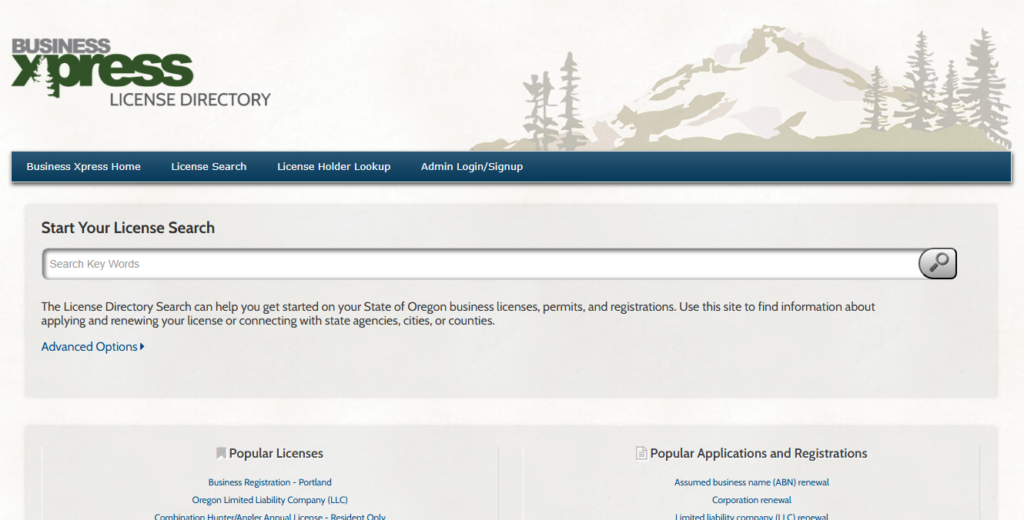
An Oregon license plate lookup is a method to find information about a vehicle using its plate number. https://apps.oregon.gov/sos/licensedirectory allows users to perform a plate search to access certain records related to that vehicle.
How a License Plate Lookup Works
A license plate lookup involves entering a vehicle’s plate number into a database to retrieve details such as the registered owner, vehicle make and model, registration status, and sometimes more technical information. These lookups are often used for confirming ownership, checking for unpaid tickets, or verifying vehicle history before buying a car.
Official Records vs. Third-Party Services
Oregon’s Department of Motor Vehicles (DMV) maintains the official records for all vehicles registered in the state. Accessing these records typically requires authorization and a valid reason. Third-party websites often provide plate data access with basic vehicle details, using public records or other sources. While convenient, these services cannot provide the full official documentation that the DMV can.
Privacy Laws and Lookup Limits
License plate information includes personal data, so access is regulated under federal and state law. The Driver’s Privacy Protection Act (DPPA) and Oregon statutes restrict who can see a vehicle owner’s personal information.
- Casual lookups for curiosity are generally prohibited.
- Approved purposes include law enforcement, legal proceedings, and certain research.
- Violating privacy laws can lead to fines or legal consequences.
How Third‑Party Plate Search Tools Work
Third‑party plate search tools provide an easy way to check a vehicle’s history using a license plate or VIN. They offer information about accidents, title records, and other public vehicle data, but they do not reveal the vehicle owner’s personal details.
Popular Third-Party Plate Search Tools:
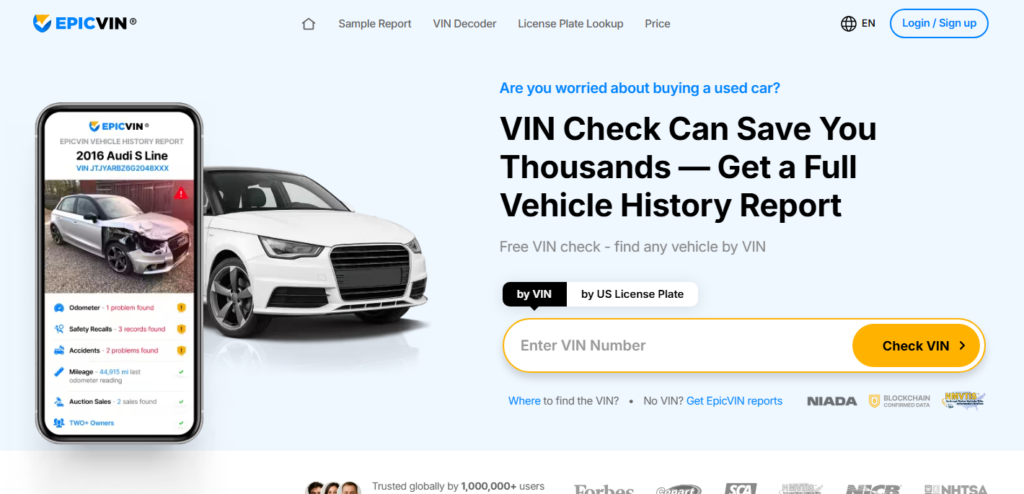
- EpicVIN: Provides VIN and license plate vehicle history. https://www.epicvin.com/
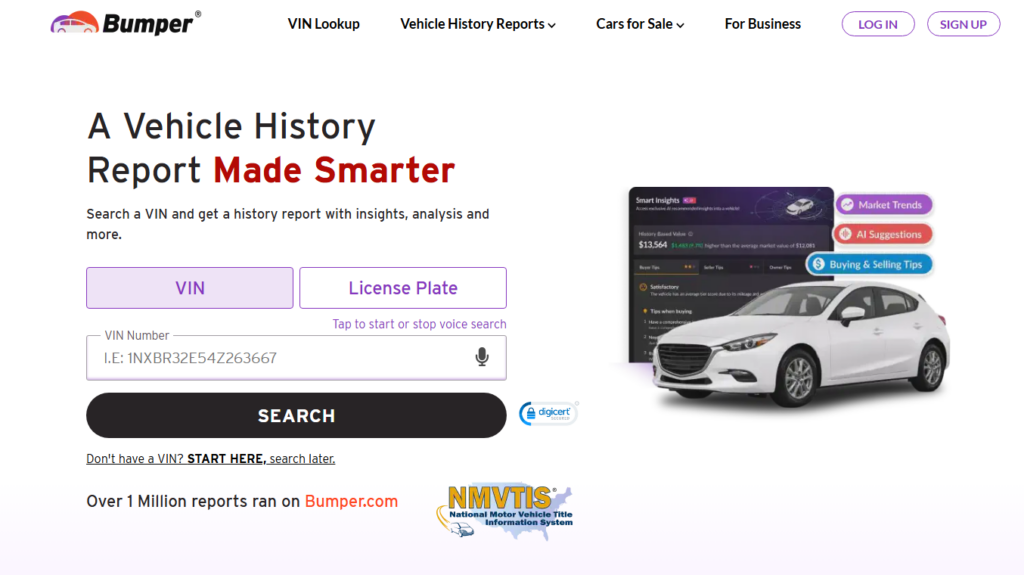
- Bumper: Offers license plate and VIN vehicle reports. https://www.bumper.com/
- VinAudit: Supplies NMVTIS-backed vehicle reports. https://www.vinaudit.com/
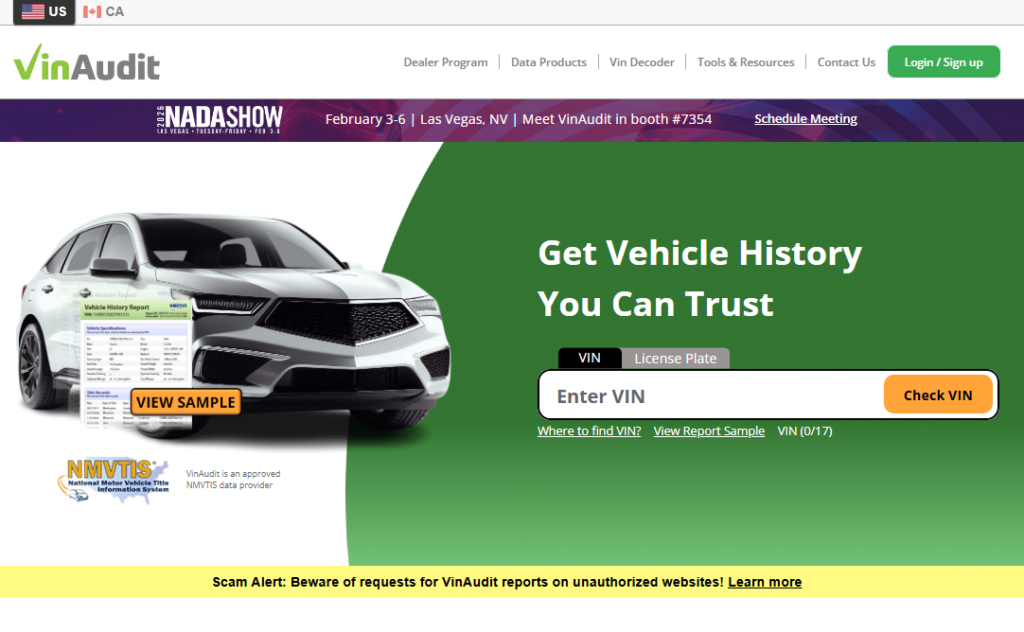
These tools gather information from public databases and trusted sources to give a snapshot of a vehicle’s background. Users can enter a license plate number or VIN and receive details about the car’s title status, accident history, salvage records, and sometimes odometer readings. This helps buyers make informed decisions before purchasing a used car or verifying vehicle conditions.
What Data Third-Party Tools Provide
Third-party platforms primarily focus on vehicle history rather than personal identity. The types of data commonly offered include:
- Title and Registration Status: Shows if a vehicle has a clean title, salvage title, or has been rebuilt.
- Accident and Damage Records: Highlights reported collisions, flood damage, or insurance claims.
- Odometer and Mileage Records: Confirms mileage readings reported over time.
- Vehicle Specifications: Details like make, model, year, engine type, and trim.
- NMVTIS Reports: Pulls information from the National Motor Vehicle Title Information System (NMVTIS), a federal database designed to prevent fraud.
According to NMVTIS, all licensed salvage and insurance companies are required to report vehicles, making the data reliable for assessing title and damage history.
Why Owner Information Isn’t Provided
These services cannot legally provide the owner’s personal information due to privacy laws. In the U.S., personal details like names, addresses, and phone numbers are protected under the Driver’s Privacy Protection Act (DPPA). Even though the plate or VIN identifies a vehicle, it does not allow public access to the individual behind it. This ensures that vehicle history checks remain safe and compliant with federal regulations.
How NMVTIS Data Supports Plate Searches
The NMVTIS database acts as a backbone for many third-party plate search services. It collects information from:
- State motor vehicle agencies
- Insurance carriers
- Salvage yards and auto recyclers
Because NMVTIS is continuously updated, third-party tools can provide near real-time data on title issues, theft records, or major damage events. While the system does not report owner identity, it is widely used by dealerships, buyers, and insurers to verify vehicle reliability.
Choosing the Right Plate Search Tool
When selecting a service, consider:
- Data source transparency: Tools citing NMVTIS and official state records tend to be more reliable.
- Report coverage: Some platforms offer an extensive history, including minor accidents and insurance claims.
- Ease of use and cost: Many services charge per report, while some provide limited free searches.
Using a trusted tool can save time and prevent unexpected issues when purchasing or evaluating a vehicle. By focusing on verified history and NMVTIS data, these services give valuable insights without compromising privacy.
How to Perform an Oregon License Plate Lookup
Performing an Oregon license plate lookup can be done through official state channels, primarily the Oregon DMV, or via legal requests when you have a legitimate reason. These methods allow you to access vehicle registration details, including owner information, safely and legally.
Through Oregon DMV (DMV2U)
The Oregon DMV provides a secure way to request vehicle information using their online system, DMV2U. This service allows individuals to search for records linked to a license plate number, including vehicle make, model, and registration details.
Steps to submit a DMV2U license plate search:
- Create a DMV2U account: Visit the DMV2U portal https://dmv2u.oregon.gov/eServices/_/ and register with your email and personal details.
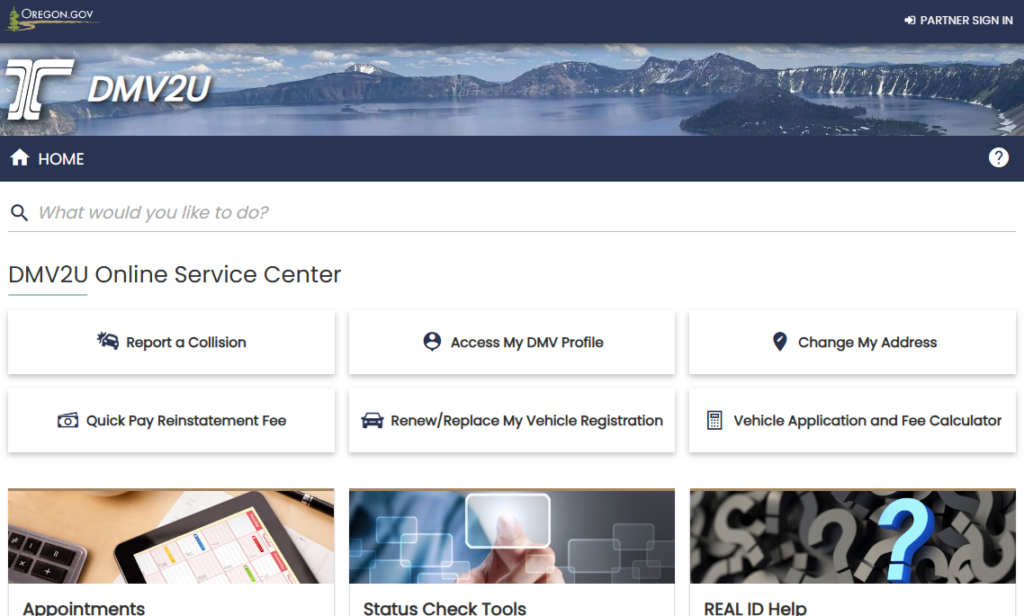
- Log in and select Vehicle Records: Navigate to the “Vehicle Records” or “License Plate Search” option.
- Enter the license plate number: Input the exact number you wish to look up. Double-check for accuracy to avoid delays.
- Provide required credentials: You may need your own driver’s license number or proof of legal eligibility for the request.
- Choose delivery method: Options typically include secure email, PDF download, or postal mail.
- Pay the required fee: Oregon charges a small fee per record request, usually around $10–$15.
Requesting Records for Legal Reasons
Some situations allow you to request license plate information for legal purposes. This typically includes court cases, accident claims, or other formal proceedings where vehicle ownership is relevant.
When you are entitled to owner information:
- Filing a personal injury or property damage claim after a car accident.
- Engaging in law enforcement or legal investigations.
- Serving subpoenas or formal court requests that require verification of vehicle ownership.
How to submit a legal vehicle records request:
- Prepare a formal written request: Include the vehicle’s license plate number, reason for request, and your credentials.
- Submit to the Oregon DMV: Mail or email the request to the DMV Records Office. Online submission may also be possible through DMV2U if eligibility is verified.
- Provide supporting documentation: Courts often require a copy of legal filings, accident reports, or official letters explaining why the information is necessary.
- Pay associated fees: Legal requests may include higher processing fees than standard DMV searches.
Retrieve Vehicle and Registration Information
An Oregon license plate lookup allows users to access basic vehicle and registration details quickly. Using a plate number search, people can check a car’s make, model, year, title status, and history without revealing private owner information.
Vehicle Make, Model, and Year
A plate number search in Oregon provides essential vehicle information such as make, model, and year of manufacture. This helps verify that a vehicle matches its advertised description or confirms its specifications before purchase. Users can also see whether the car is currently registered, providing confidence in its legal road status.
Title Status and Registration Details
License plate lookup results include the title status—whether a vehicle is listed as salvage, rebuilt, or currently registered. This data highlights potential red flags for buyers, such as previous total losses or reconstruction. Registration details show the vehicle’s active state and expiration, giving a clear snapshot of its legal standing. While official DMV records are the most reliable, third-party tools often compile this information from public filings and databases like NMVTIS for vehicle history verification.
Accident History and Odometer Readings
Some plate lookup tools also report accident history and odometer readings. Access to this information helps users identify previous damage or mileage discrepancies. However, exact details from DMV records are restricted due to privacy laws. The Driver Privacy Protection Act (DPPA) prevents disclosure of personal owner information, meaning names, addresses, and phone numbers remain protected.
Official DMV Records vs. Third-Party Tools
It’s important to understand the difference between official DMV records and third-party plate data access services. DMV records provide legally verified registration details, while third-party tools aggregate vehicle history reports for easier access. Many third-party services also include NMVTIS data, which offers an additional layer of verification for vehicle history, ensuring more accurate results for buyers and sellers.
Benefits of License Plate Lookups
License plate lookups provide clear insights about a vehicle’s history and status, helping users make informed decisions before buying or interacting with a vehicle. These lookups save time, reduce risk, and offer peace of mind by revealing critical details that may not be obvious at first glance. Performing a license plate search offers several practical advantages. For buyers, it verifies that the vehicle is legitimate and legally registered, avoiding surprises like unpaid fines or hidden liens.
It also highlights any title issues, including salvage, flood, or rebuilt titles, which could affect a car’s value and safety. Additionally, a lookup can detect if a vehicle has been reported stolen, protecting users from potential legal trouble or financial loss. Historical registration changes are another valuable insight. A plate search can reveal how many times a car has changed owners or moved between states, offering context on maintenance habits and potential wear. This information is useful for insurance evaluations, legal matters, and emergencies where vehicle identification is necessary.
Key benefits of license plate lookups include:
- Verify vehicle legitimacy before purchase or transfer
- Check title and registration status, including salvage or flood history
- Identify stolen vehicles to prevent legal issues
- Track ownership and registration history for transparency
- Support legal, insurance, and emergency needs
When choosing between official DMV records and third-party services, users should be aware of privacy rules under the Driver’s Privacy Protection Act (DPPA). Official records provide the most accurate, verified data but are limited to authorized users such as law enforcement or legal professionals. Third-party reports are easier to access but may have incomplete or outdated information. Understanding these constraints ensures users set realistic expectations for the accuracy and use of the data.
What Information Can You Get
A license plate lookup in Oregon provides key details about a vehicle, including its make, model, year, and registration status. It also highlights important records such as title history, accident reports, and odometer readings. When performing a plate search, users can access vehicle specifications that include the make, model, year, and body type. This information helps confirm whether a vehicle matches its description or if it has been altered. Plate lookups can also reveal the title status, such as whether a vehicle has a salvage, rebuilt, or clean title, giving insight into potential risks for buyers or sellers.
Vehicle History and Title Status
Knowing a vehicle’s history is crucial for evaluating its condition and value. A license plate search can show:
- Title status: Identifies if the vehicle has ever been branded as salvage, rebuilt, or lien-free.
- Accident records: Includes reported collisions, insurance claims, and damage severity.
- Recalls: Lists manufacturer-issued safety recalls that may still be open.
These records often come from official databases like the National Motor Vehicle Title Information System (NMVTIS), ensuring the data is credible and up-to-date.
Registration and Auction Information
In addition to history, plate lookups provide details about the registration status, confirming whether a vehicle is currently registered in Oregon. Some services also include auction data and odometer readings, which are valuable for assessing mileage accuracy and prior sale history. For instance:
| Information Type | Details Provided |
|---|---|
| Vehicle Specs | Make, model, year, body type |
| Title Status | Salvage, rebuilt, lien-free |
| Accident Records | Reported collisions, damage history |
| Recalls | Open manufacturer recalls |
| Registration Status | Active, expired, or suspended |
| Auction/Odometer Info | Past auctions, mileage verification |
Legal and Privacy Limits
Oregon law strictly limits who can see full DMV records, protecting personal information like names, addresses, and phone numbers. Only certain authorities or legal cases are allowed access to this sensitive data. Oregon’s Driver Privacy Protection Act (DPPA) governs the use of vehicle and driver information. Under this law, DMV records cannot be shared with the general public for personal or commercial use.
The law safeguards personal details, including:
- Full name
- Residential address
- Phone numbers
- Vehicle ownership history
These protections prevent misuse such as stalking, harassment, or identity theft. Individuals who violate the DPPA by accessing or sharing information without authorization may face fines, legal penalties, and civil lawsuits.
Who Can Access DMV Records
Access to complete DMV data is limited to specific parties, including:
- Law enforcement agenciesare investigating crimes or traffic violations.
- Courts and legal professionals are required for lawsuits, subpoenas, or official proceedings.
- Insurance companies for claims processing or underwriting, with proper authorization.
- Government agencies for official purposes, like motor vehicle safety or vehicle registration enforcement.
Even organizations with legitimate reasons must follow strict rules and often pay a fee to request records. Unauthorized attempts to obtain DMV data are considered a serious offense.
Risks and Penalties for Misuse
Improper use of DMV information can lead to significant consequences:
- Civil fines up to thousands of dollars per violation.
- Criminal charges for repeated or intentional misuse.
- Legal liability if the information is used to harm someone.
Oregon authorities actively enforce these rules, keeping personal data secure while allowing legitimate uses. For everyday users, this means that general license plate lookups are limited to non-identifiable information unless authorized.
FAQs About Plate Lookup
Looking up an Oregon license plate is legal only under certain conditions. Individuals cannot access private owner information without proper authorization, and online tools follow strict privacy rules.
Is it legal to look up an Oregon license plate?
Yes, it is legal for Oregon residents and authorized parties to perform a license plate lookup, but privacy laws set clear limits. The Oregon DMV and approved services allow users to see vehicle details such as make, model, registration, and title history, but they do not share personal information like the owner’s home address or phone number. All searches follow the Driver’s Privacy Protection Act (DPPA), and using unauthorized methods can result in fines or other legal consequences.
Can I find the owner’s address?
No, the owner’s address is protected under state and federal privacy regulations. DMV systems and legitimate lookup tools provide vehicle information, including registration status and history, but personal contact information is never disclosed. This ensures that searches respect privacy laws while still allowing access to important vehicle details for legal purposes.
Does the DMV website allow free lookup?
The Oregon DMV website offers limited free access to vehicle information, such as registration status and plate type. More detailed information, like title history or accident reports, may require a small fee and must be accessed through official DMV channels or licensed third-party providers. This maintains lookup limits and protects vehicle owner privacy while allowing legal searches for necessary information.
What is the difference between lane laws and lookup tools?
Lane laws in Oregon govern how drivers use lanes safely and are unrelated to license plate searches. Lookup tools, however, are designed to provide vehicle-related data for authorized purposes, such as registration or accident history. Understanding this difference helps users follow the correct search process and avoid accessing personal information illegally while staying informed about their vehicle or another vehicle’s legal status.
Can third-party websites show more information than the DMV?
Third-party websites can provide extra details like vehicle history, title records, or accident reports, but they cannot reveal private owner information. Licensed services pull data from sources such as NMVTIS to offer insights about a car’s past, while still respecting Oregon’s privacy laws and lookup limits. Users should only rely on reputable providers because unverified sites may give incomplete or inaccurate information or even violate legal restrictions.